
Andy Green on the flight that changed his career, the watch that sold for $17 million, and why the most interesting thing about collecting has nothing to do with watches.
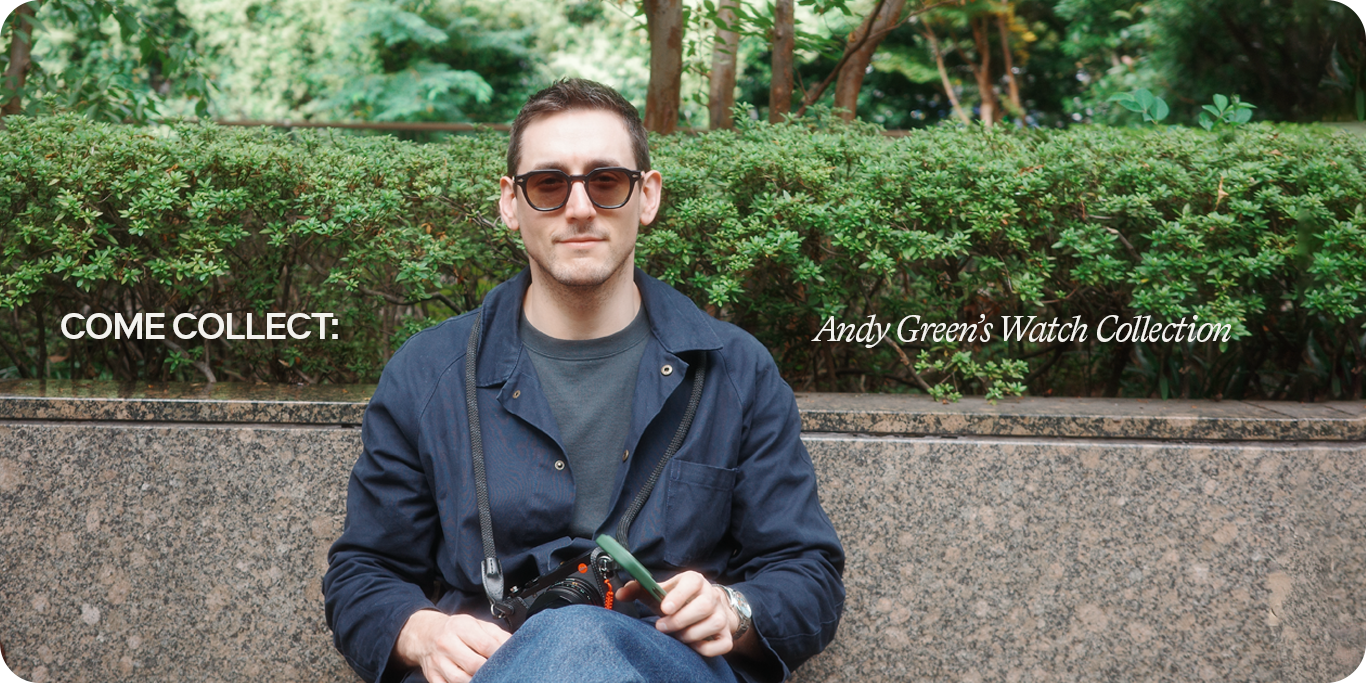
Ten years ago, Andy Green sat next to a stranger on a flight from London to Melbourne and accidentally built a career. That stranger was Andrew McCutchon, then watch editor at GQ Australia and weeks away from launching Time+Tide. By the time the plane landed, Green had a standing invitation to stay in touch. A few months later, he was helping out with the new publication, and the slope got slippery from there.
Green is now the Melbourne-based co-host of OT: The Podcast, which he runs alongside longtime collaborator Felix Scholz. Over the last decade, he’s developed a reputation for championing the kinds of brands that don't yet have waitlists, and for an eye for color and proportion that has consistently led him to more interesting choices than the obvious ones.
In this edition of Come Collect, Green reflects on how his collection has evolved, why he'll always take the 36mm over the 41, and the story behind one of the best interviews in watch podcast history.
Isaac Wingold: You've talked about watches as a way of marking milestones. Where did that start?
Andy Green: I started working when I was 16, got my first tax return, and spent the whole thing on a dress watch from a fashion brand. It was maybe five or six hundred dollars, which felt like everything at the time, and I was incredibly proud of it. From there, it became a pattern. There's a milestone, focus on hitting it, and celebrate with a watch.
By the time I turned 21, I'd found Hodinkee and Worn & Wound, and I was deep into comparing movements, materials, brand stories, trying to find the best watch I could for around $2,000. I ended up buying a March LA.B on a Euro trip, from their Paris boutique. Felt like a big deal. On the flight home, I sat next to Andrew McCutchon, who was then watch editor at GQ and about to launch Time+Tide. We talked about watches the entire 15-hour flight. When we landed, he said to stay in touch. A couple of months later, I started helping out, and it just escalated from there.
IW: What actually kept you in it?
AG: Honestly, it was the people. That flight was a sliding doors moment. I'm pretty introverted; normally, I'd just put on headphones and sit there for 15 hours. But being open to that conversation changed everything.
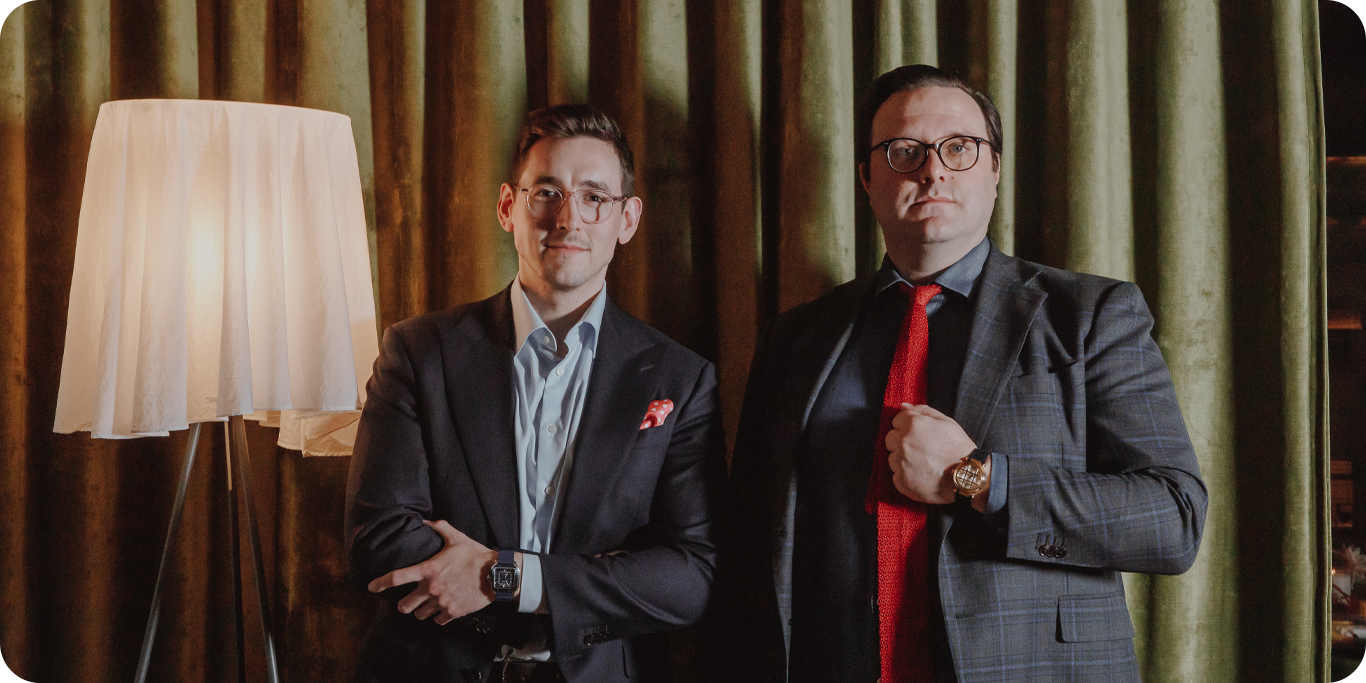
I look back now, and I don't think it was ever really about the watches. They're great, but my favorite thing about this job is traveling, meeting people, and having genuinely interesting conversations. Going to Switzerland once a year and seeing friends I've made over the last decade. Felix Scholz is now my co-host and business partner. He basically taught me how to write about watches. It's corny, but it really has been the people you meet along the way.
IW: How has your collection actually changed over time?
AG: You always buy pieces thinking you'll never sell them, and then you realize pretty quickly that doesn't hold.
The problem is we're completely overexposed. Every week, there's something new, and your taste shifts. My first serious watch was the original Tudor Black Bay. I wore it straight for three years and thought it was the best thing ever. Then one day I put it on and thought, this is a bit big. Sold it. Bought a few more Black Bays over the years as they refined the sizes, but I've definitely drifted toward smaller, more colorful ones.
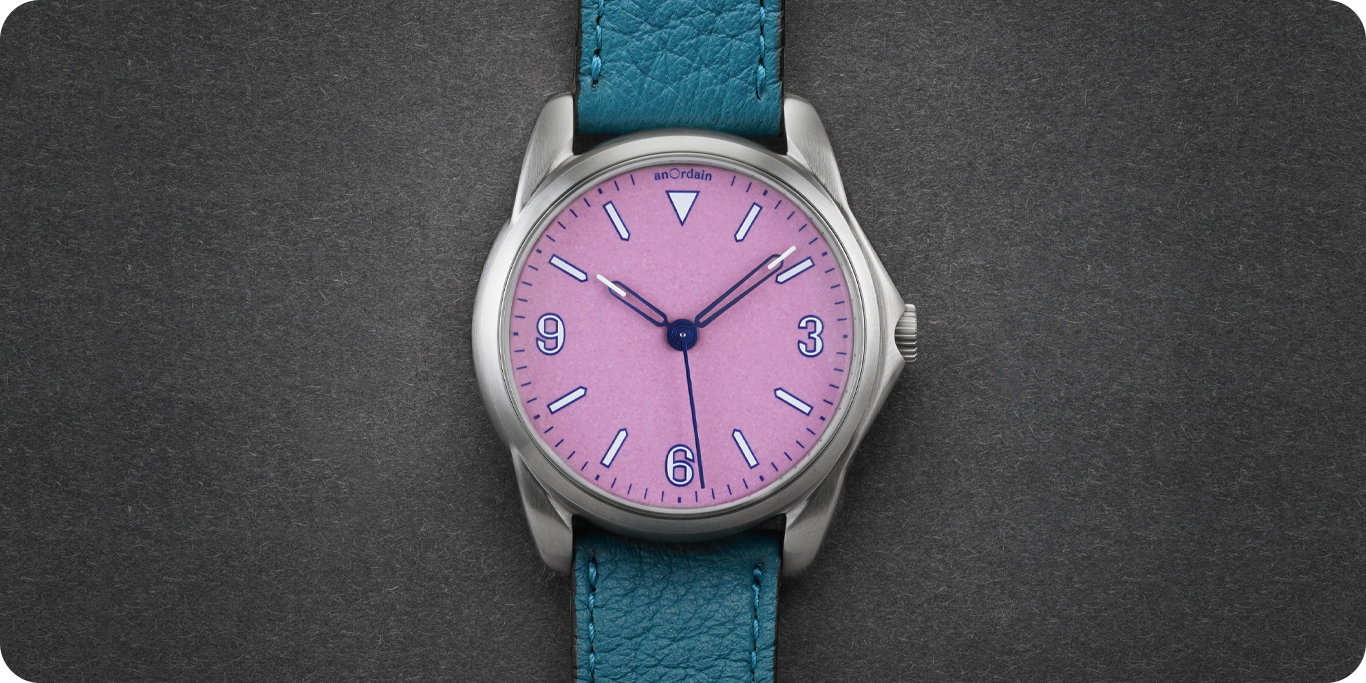
36mm really is my sweet spot, and I love color. I also have a soft spot for anOrdain, the Glasgow-based enamel dial maker. I love what they bring. Across the board, I've become increasingly interested in smaller independents and emerging brands. There's been this relentless focus on Rolex, Patek, and AP for so long that it starts to feel repetitive. I'd rather look at brands doing something genuinely different, especially when you can actually meet the people behind them.
IW: What are you wearing most right now?
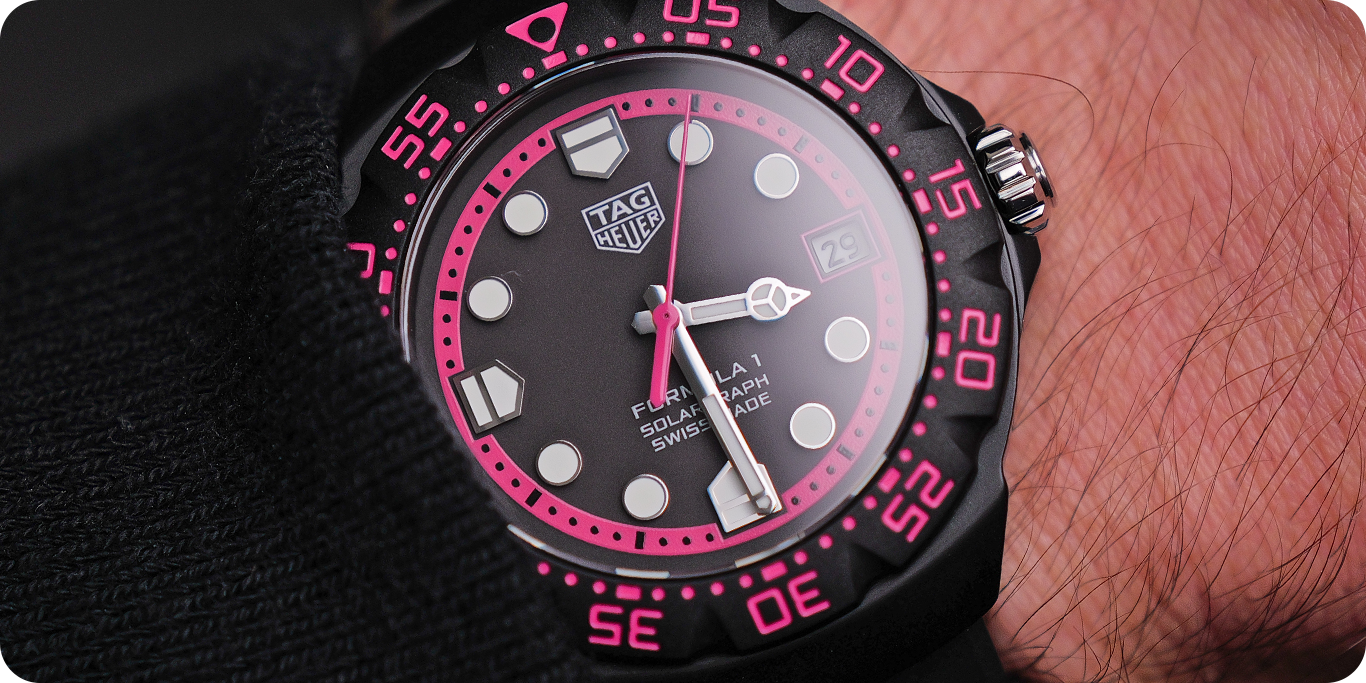
AG: I tend to wear one watch for a couple of months straight. At the moment, it's a TAG Heuer Formula 1, the pink and black DLC Abu Dhabi GP limited edition released last December. I'd never owned a TAG before, but I saw it and just went, yeah, I like that. When it comes to watches, pink is my honey trap. If I see it, I'm probably going to obsess over it.
It's easy, I can take it to the gym, I'm not worried about scratching it. That's become more important over time. Once a watch gets too precious, you start wearing it less, which kind of defeats the point. I've also got a Temporal Works with a blue sector dial that gets a lot of wrist time. That's my dressy watch at the moment.
IW: The F1 relaunch sent me down a rabbit hole of tracking down vintage examples. They're just fun watches.
AG: Once I got past second-guessing the quartz movement and just went, I like it, I'm doing it, it's been the most fun. I think it's a bit of a misunderstood offering from TAG.
IW: Beyond pink, is there anything you find yourself consistently drawn to that other collectors overlook?
AG: I'll almost always go smaller if there's an option. 41 and 36, I'm taking the 36 every time. A lot of people say they like smaller watches, but don't actually follow through. I try to put my money where my mouth is.
That said, I went through a phase of avoiding bigger watches entirely because of how they looked in photos. You put something on, take a wrist shot, it looks massive, and you start second-guessing it. There's a kind of dysmorphia that sets in; the photo becomes the reference point instead of how the watch actually felt. You start editing out perfectly good watches because they didn't photograph the way you expected.
Eventually, I realized cameras distort things. Just because something doesn't photograph well doesn't mean it doesn't wear well. You can't let social media dictate what you spend your money on.
IW: Is there anything about the way people approach buying watches that you think gets in their own way?
AG: Just like something and buy it. People buy shoes or handbags because they like them; they don't run them through a resale calculator first. Watches don't always get that same freedom. Most purchases are overthought. Put resale aside, put what other collectors think aside, and just do what you like.
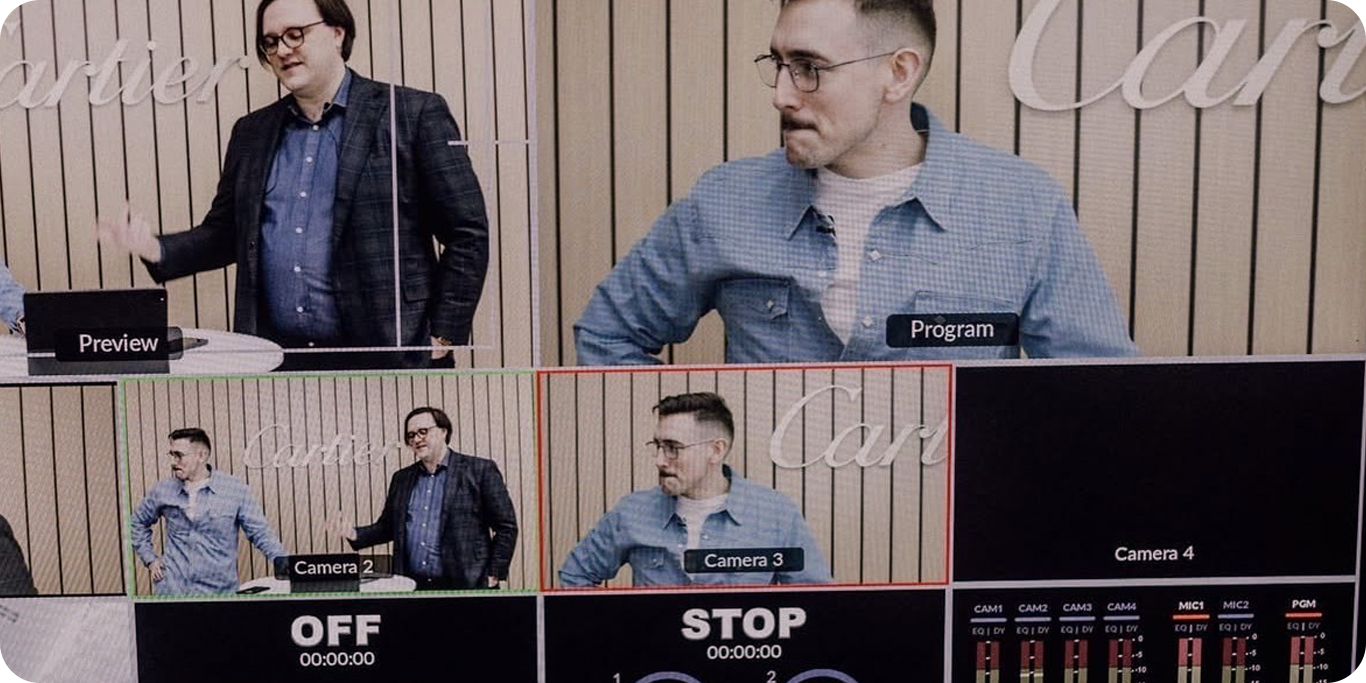
IW: Has the podcast changed what you find interesting about watches?
AG: It's reinforced that the most interesting part is always the story.
One of my favorite moments came pretty early on, around 2020. I started thinking about the Paul Newman Daytona, the one that sold for $17 million in 2017. Everyone had been obsessing over who bought it. But no one had spoken to the seller.
His name is James Cox. He'd been dating Nell Newman, Paul's daughter, without knowing who her father was for the first six months. He helped out around the family's properties, and one day, Paul just handed him the watch. He wore it for years, completely unaware of what it had become or that it had taken on Paul Newman's name. At some point, someone in Italy came up to him and said, "Paul Newman Daytona," and he had genuinely no idea how they might’ve known whose watch it once was.
In the early 2000s, someone tracked him down and offered him a million dollars for it. That's when he put it away. He eventually consigned it; it sold for $17 million, and he got on with his life.
We tracked him down through a mutual friend, and he jumped on with no hesitation, 90 minutes of the most fascinating conversation.
That's where the magic is, for me. Not the specs. The story.
IW: Watches and Wonders is right around the corner. Where's your head at going into it?
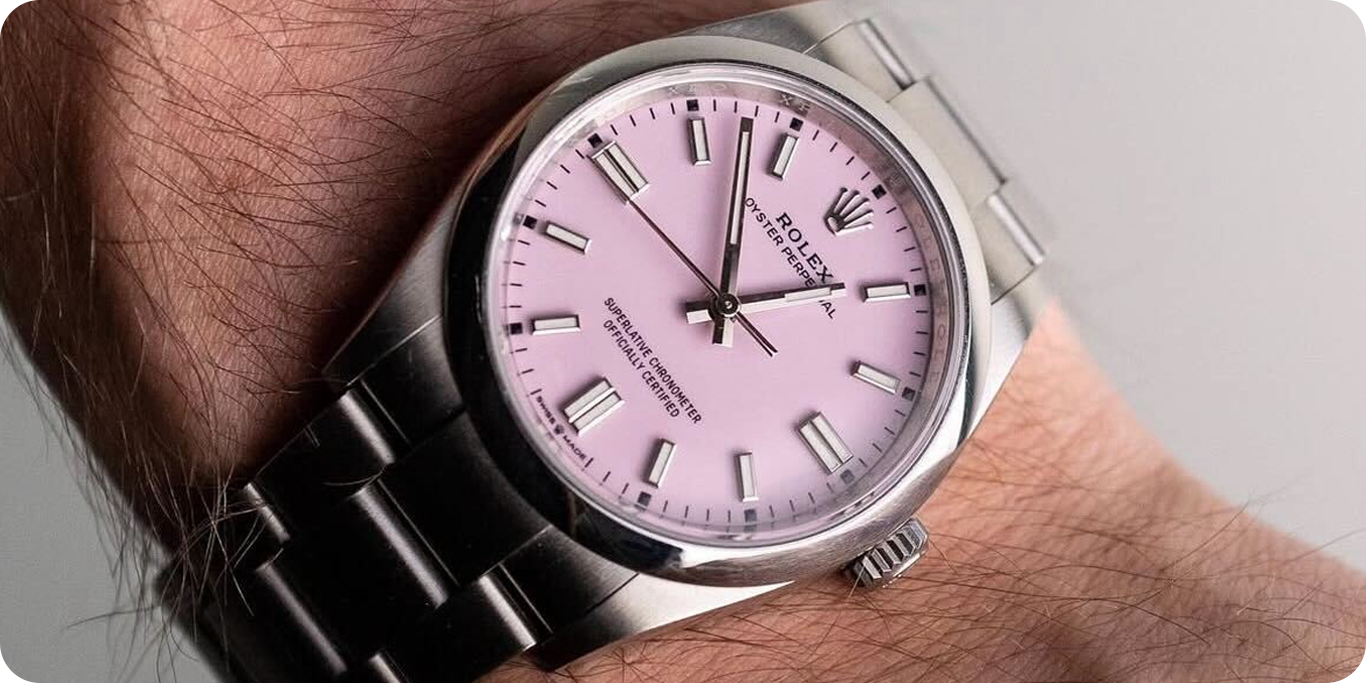
AG: Rolex, Patek, and Tudor are always the fun brands to speculate on. Rolex has some big anniversaries coming up. A hundred years of the Oyster case is interesting, but I'm in two minds about whether they'll actually do anything with it. It would be very Rolex of them not to. Everyone says the GMT-Master II "Pepsi" is getting discontinued. I've heard that for three years running.
What I'm more excited about is the second tier, so to speak. The brands that do serious work but don't sit in the top three or four, because they actually have to earn your attention. I think we'll see tighter collections overall. Doing a mediocre release or just swapping a dial probably won't cut it anymore. I always say pressure makes diamonds. The brands that are feeling it right now are the ones most likely to do something genuinely interesting.
IW: Where are you at with collecting today?
AG: I'm much more comfortable letting things go. If I'm not wearing something, I'd rather it go to someone who will.
More than anything, I want watches that feel like an expression of personality. Something fun, something with character. There was a time when a black Submariner felt like the obvious answer. Now I look at one and think, every real estate agent in the country has one of those. I don't want safe bets.
IW: Is there a watch or a brand that crystallized that for you?
AG: The anOrdain collaboration we did in the podcast's early days is the one I keep coming back to. Lewis, the founder, called us out of the blue during the pandemic, said he wanted to do something together. We made a limited edition of 30 pieces. It took over a year. By the time it launched, aOordain had a two-to-three-year waitlist, and it sold out in 14 hours.
I didn't understand why he came to us until I visited last year. He told me that during the pandemic, he was doing these long solo drives from the Scottish Highlands down to Glasgow, and he had us on in the car, two episodes a week, just him alone for three hours at a stretch. He said he just loved it and felt like he had to do something.
When he took me through the facilities, he showed me how they make the enamel dials, and then he showed me the bucket of rejected ones, the dials that didn't pass. They all have silver backs, so every failed dial is real silver, real cost, real weight. Lewis started the brand by hiring a jeweler and paying him a salary for two years just to figure out how to make an enamel dial.
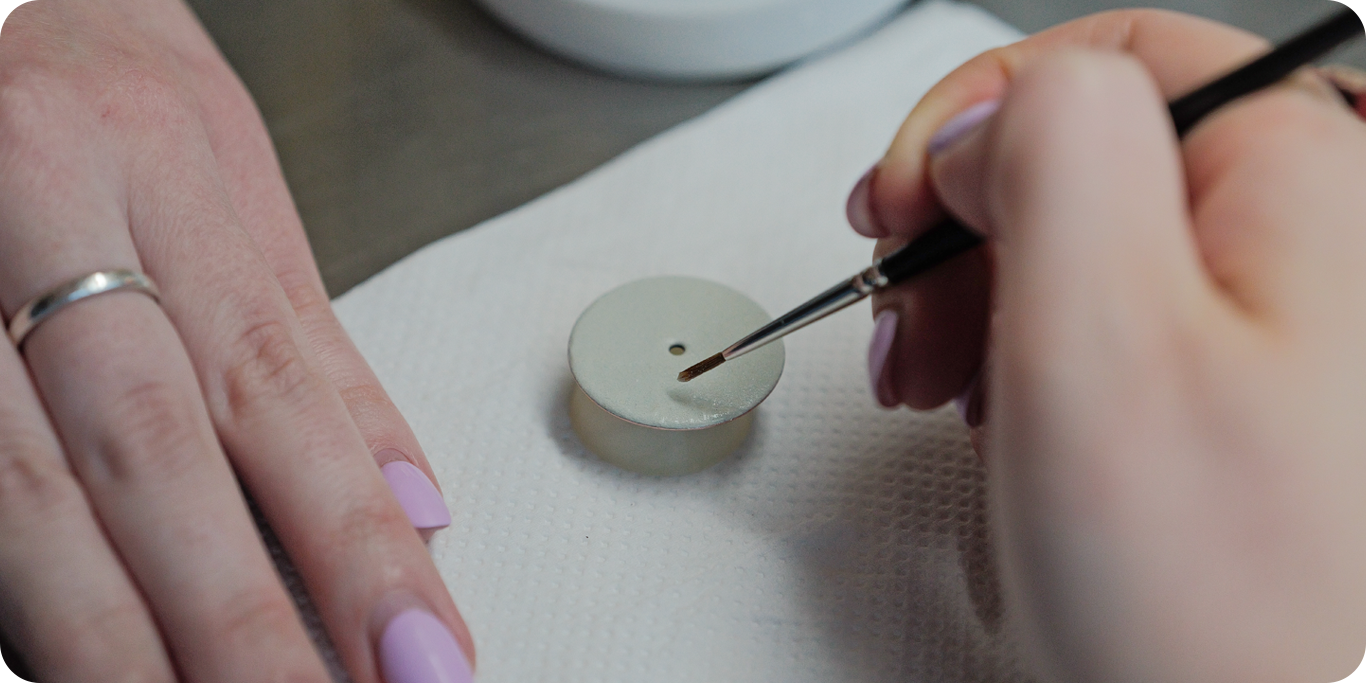
Neither of them knew how to do it. After two years of trial and error, they built everything else around that same philosophy. I asked how many dials they could produce in a good week. Four or five. Mess up one nick with the engraver, and you start again.
That's what I want watches to be. Not a safe bet. Something someone actually cared about making.
Have someone in mind that you'd like to see featured? Interested in submitting a story of your own? Reach out to us at editorial@getbezel.com.
— Isaac Wingold
Bezel is the top-rated marketplace for buying and selling luxury watches. We give you access to tens of thousands of the most collectible watches from the world's top professional sellers and private collectors. Every watch sold goes through our industry-leading in-house authentication process, so you can buy, sell, and bid with confidence.
Download the Bezel app on the iOS App Store or start searching for your next watch today at getbezel.com.
Bezel is available to download on the App Store now. Please reach out to our concierge team if there is anything we can help you with!

©2026 Bezel Inc.
All rights reserved.