
The eight independent watchmakers shaping modern collecting, from F.P. Journe and De Bethune to MB&F, Urwerk, and Parmigiani. Where to start and what to know.

Independent watchmaking refers to brands that operate outside the major luxury conglomerates, typically founder-led, small in scale, and free to make creative decisions without committee oversight. It’s also the part of the industry where the action is right now. Collectors who grew up on Rolex, Patek, and AP are increasingly looking past those names toward the watchmakers operating at the edges.
There is no obvious entry point into the category. No canonical reference like a Submariner or a Nautilus to anchor the conversation. What follows is a working guide to eight independents worth knowing. Some are household names in collecting circles. Others remain quieter, even within the hobby. One thing worth knowing up front: independents tend to operate with long retail waitlists and tight production numbers, which means the secondary market is often the actual entry point for collectors, not a fallback.
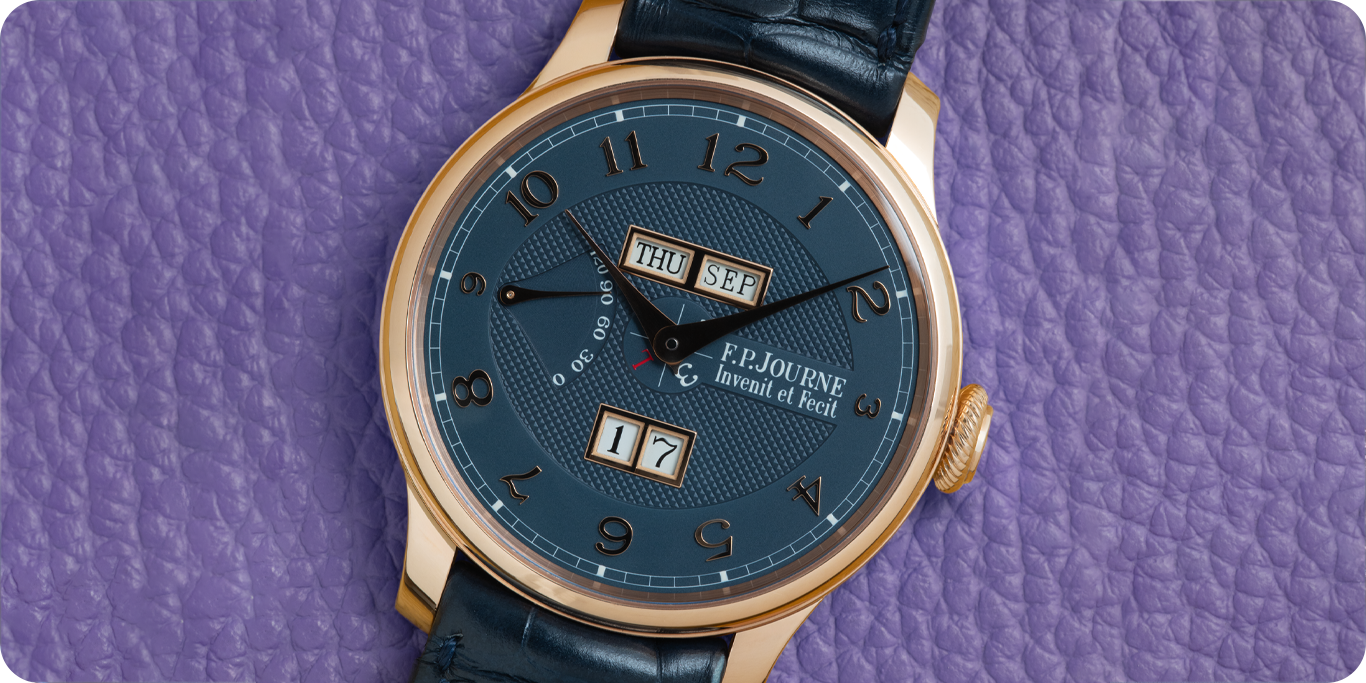
François-Paul Journe is the founding figure of the modern independent watchmaking movement. He launched his eponymous brand in 1999 after years of restoring antique watches and building one-off pieces for private clients, and the commercial trajectory of nearly every other brand on this list traces back, in some way, to the path he opened. The Souveraine line that defined the early years, the Chronomètre Bleu in tantalum (a notoriously difficult-to-machine metal that gives the watch its distinctive grayish-blue hue), the Octa family with its 24-hour automatic caliber, the Centigraphe with its mechanical 1/100th-second measurement displayed on a dedicated sub-dial: each of these came out of Journe’s own preoccupations rather than a market brief. The signature off-center dial layout, the rose gold movements, the small “Invenit et Fecit” stamp meaning “invented and made,” are all part of a visual language collectors recognize at a glance.
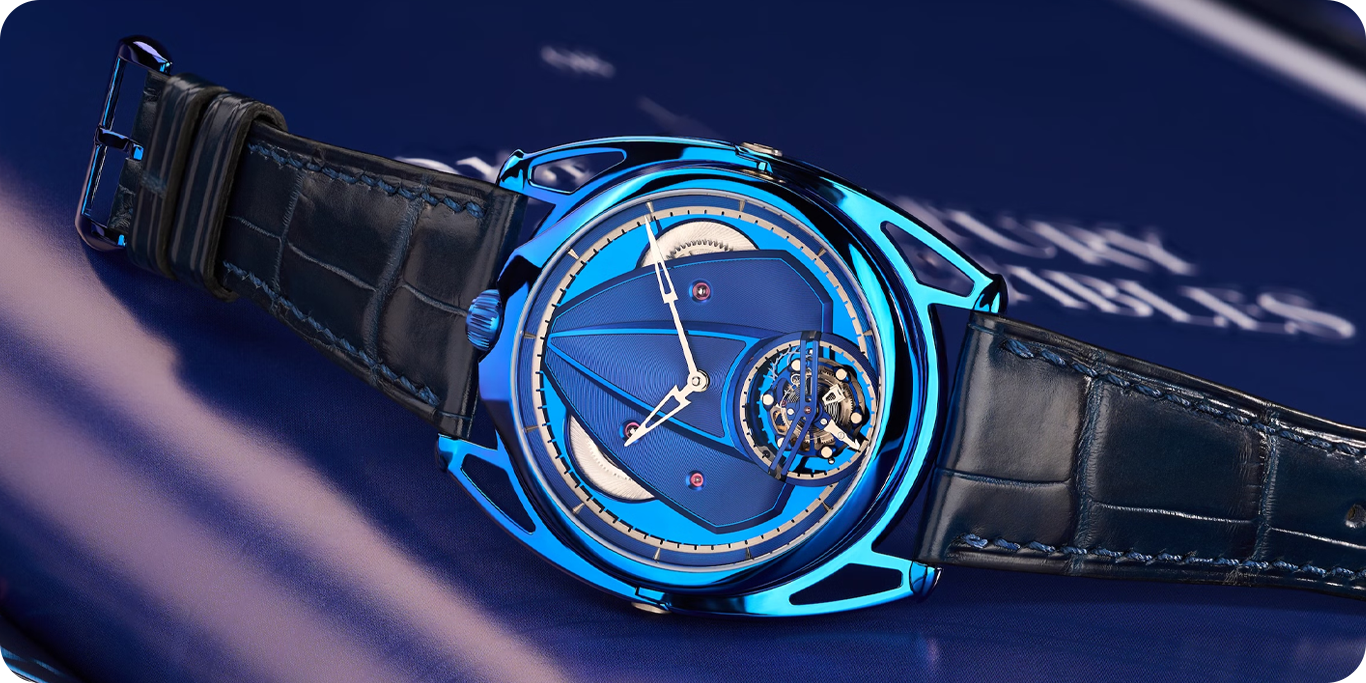
De Bethune was founded in 2002 by Denis Flageollet and David Zanetta, though Zanetta departed in 2010 and the brand has gone through several leadership and ownership shifts since. What has remained constant is Flageollet’s role as master watchmaker and the brand’s commitment to looking forward rather than backward. While most independents draw from classical watchmaking, De Bethune is building a future-facing visual language: heat-blued titanium achieved through an in-house thermal oxidation process, mirror-polished cases, spherical moon-phase indicators rendered in palladium and blued steel, floating lugs that hover above the wrist, deltoid bridges that look pulled from a science-fiction set.
The DB25, DB27, and DB28 are the watches collectors reference when they want to explain what De Bethune does. The brand’s deep blue dials in particular have become one of the most distinctive signatures in modern watchmaking.
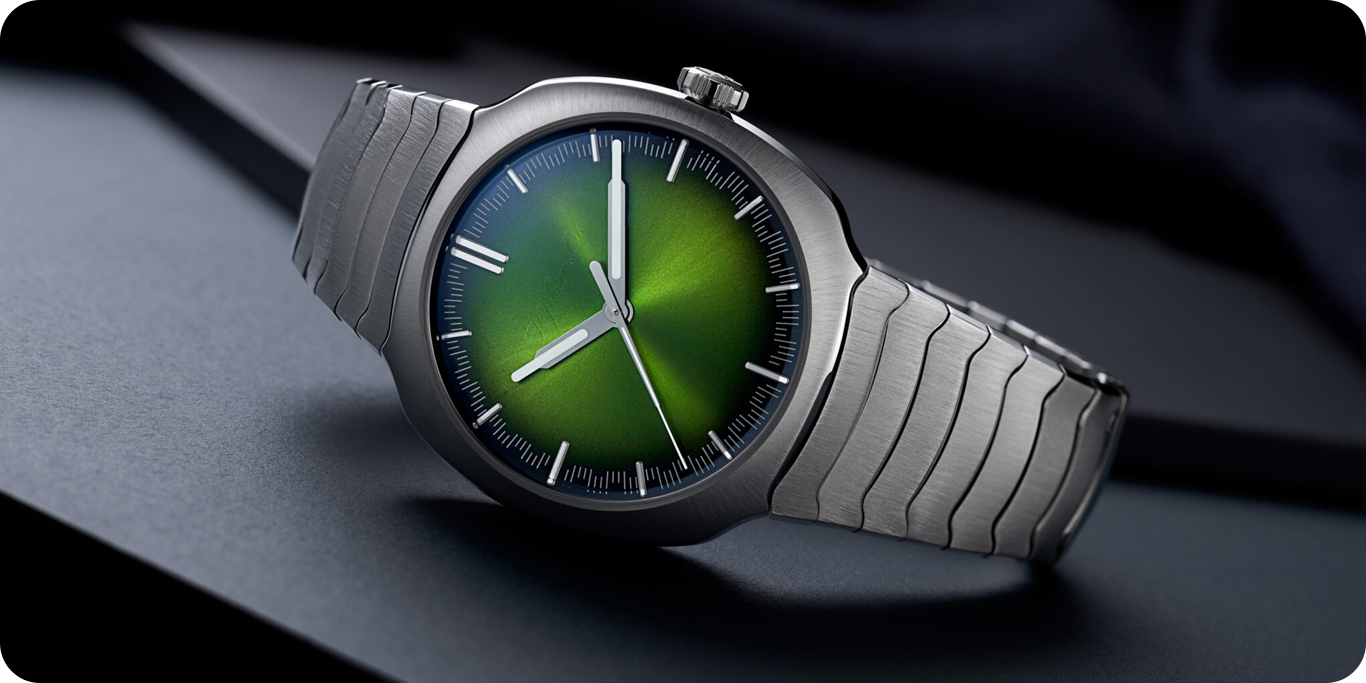
H. Moser & Cie. traces its name to a Swiss watchmaker who set up shop in St. Petersburg in 1828, but the modern incarnation is essentially a relaunch under the Meylan family, who took control in 2012. Edouard Meylan, the current CEO, has built a reputation as one of the more outspoken voices in Swiss watchmaking, willing to take public shots at the industry’s stiffer conventions. The brand has positioned itself, in part, as the loyal opposition to the heritage establishment, and the watches reflect that posture. Fumé dials (a finish that predates Moser but which the brand has done more than anyone to modernize and popularize) in unreal gradients of blue, burgundy, and green. A “Concept” series that removes the logo entirely. A Swiss Mad Watch with a cheese-derived case made in protest of restrictive Swiss Made laws.
The two collections to know are the Endeavour, a more classical round-cased family, and the Streamliner, an integrated bracelet sport watch whose cushion-pebble case shape has no real precedent in modern watchmaking. The Streamliner arrived in 2020 and quickly became one of the most discussed releases in the category.
Shop H. Moser & Cie. on Bezel.
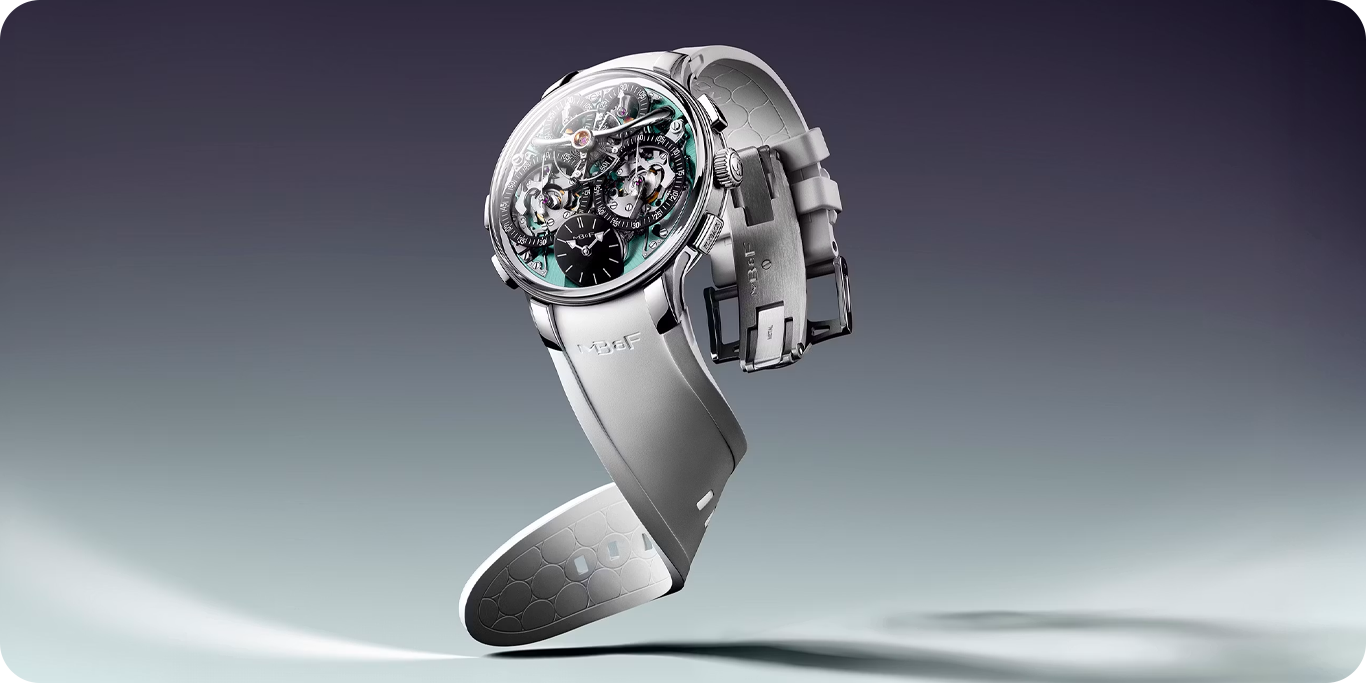
Maximilian Büsser left Harry Winston in 2005 to start MB&F, short for Maximilian Büsser and Friends, with the explicit goal of treating watches as kinetic sculpture instead of timekeepers with decoration applied. The “Friends” framing is more than marketing. Büsser has actively collaborated with Kari Voutilainen, Eric Giroud, Stepan Sarpaneva, and others, treating watchmaking as a collective rather than a closed shop. It’s a model that sits in deliberate contrast to Journe’s solo authorship.
The Horological Machine series, now over a dozen iterations in, includes the HM2 with its twin dials in a rectangular case, the HM3 Frog with bulging sapphire domes, the HM6 with its biomorphic body that resembles a deep-sea organism, and the HM9 Flow with its aerodynamic case work. The Legacy Machine line is more grounded in traditional watchmaking codes but still does things no other brand attempts, like suspending an oversized balance wheel above the dial.
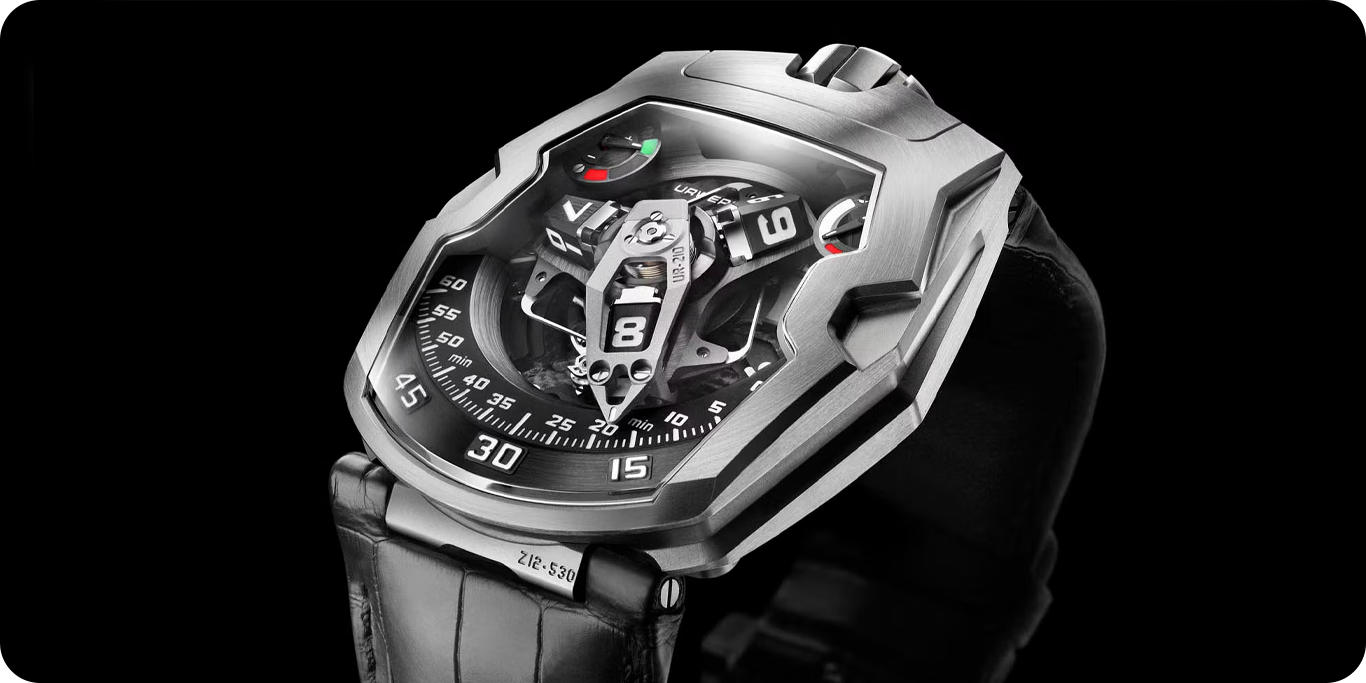
Felix Baumgartner and Martin Frei founded Urwerk in 1997, well before the current wave of independent watchmaking had hit its commercial stride. The brand predates Journe’s commercial breakthrough and arguably helped clear the cultural runway for everything that followed. Urwerk’s defining innovation is the satellite hour display, which replaces conventional hands with rotating cubes or discs that march the current hour across a curved minute track. Looking at one is closer to watching a piece of machinery breathe than reading a watch.
The UR-103 was the breakthrough. The UR-110, with its hours displayed on the right side of the case in what the brand calls a “torpedo” layout, took the language further. The UR-202 added a retrograde minute hand telescoping across the dial. The current UR-100 series, with a kilometers-traveled display in addition to time, has become the brand’s most accessible entry point.
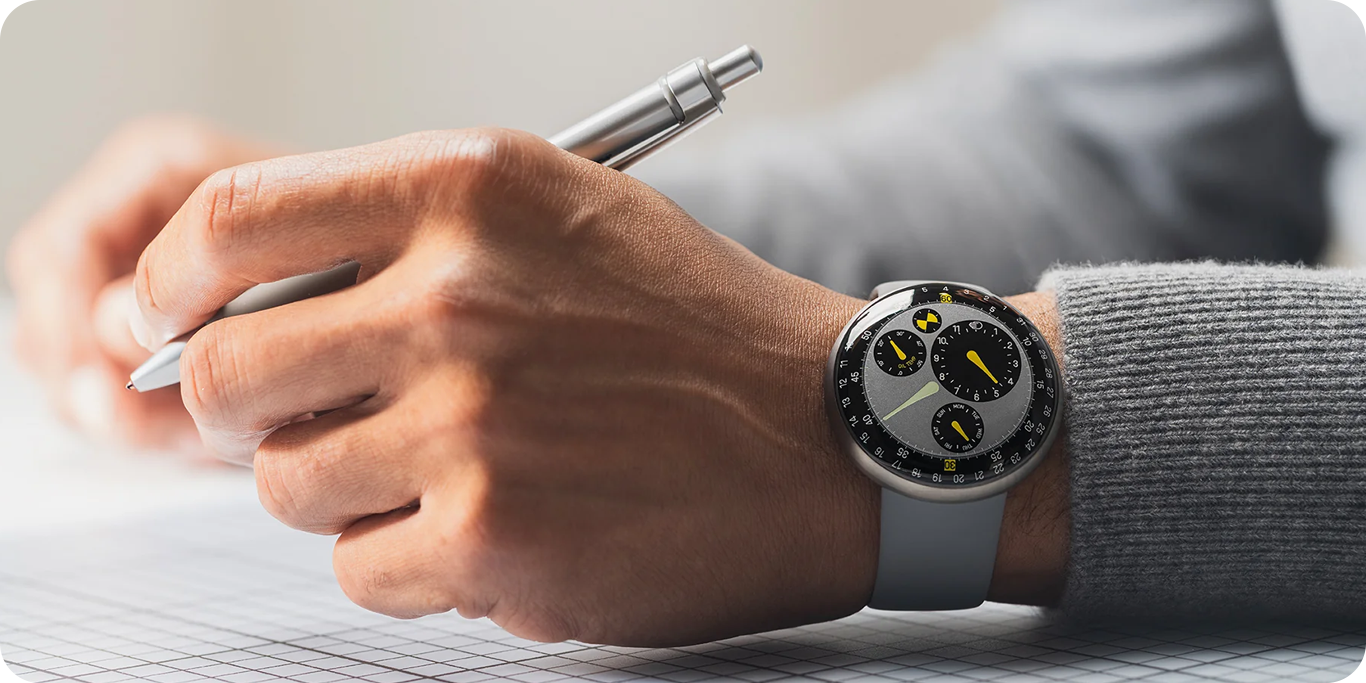
Ressence was founded in 2010 by Benoît Mintiens, a Belgian industrial designer with no watchmaking background, which probably explains why the brand’s watches look like nothing else on the market. There is no crown. The watch is wound and set entirely through the caseback, which is the actual structural innovation, with the absence of the crown a downstream consequence. The dial is a system of orbiting discs that rotate to indicate hours, minutes, seconds, and date, all visible through a domed sapphire crystal that sits flush with the case. The Type 1 is the foundational reference. The Type 3 adds an oil-filled upper chamber that magnifies the display and eliminates parallax. The Type 5 is built with higher water resistance for use around water.
What makes Ressence unusual within the independent category is how restrained the watches look despite how radical they are. The lack of a crown is a structural rethinking, not a styling choice, and the result is a watch that reads almost classically until you notice that nothing on the dial is doing what it should.

Before launching his own brand in 2010, Laurent Ferrier spent nearly four decades at Patek Philippe, eventually heading the prototype workshop. He also raced a Porsche 935 at Le Mans, finishing third in 1979 behind Paul Newman, which is the kind of biographical detail you don’t usually find on a Patek résumé. The watches reflect a sensibility shaped by both disciplines. They sit in the classical Genevan tradition while housing some of the most considered movement architecture in the category: the natural escapement, the double-direct impulse, the tonneau-shaped pillar plates that give the calibers their distinctive shape.
The Galet Micro-Rotor, the Classic Origin, and the École Annual Calendar are the references collectors keep coming back to. The brand expanded into sport watches with the Sport Auto and Grand Sport Tourbillon, both of which have softened the brand’s image without compromising the precision of its watchmaking.
Shop Laurent Ferrier on Bezel.
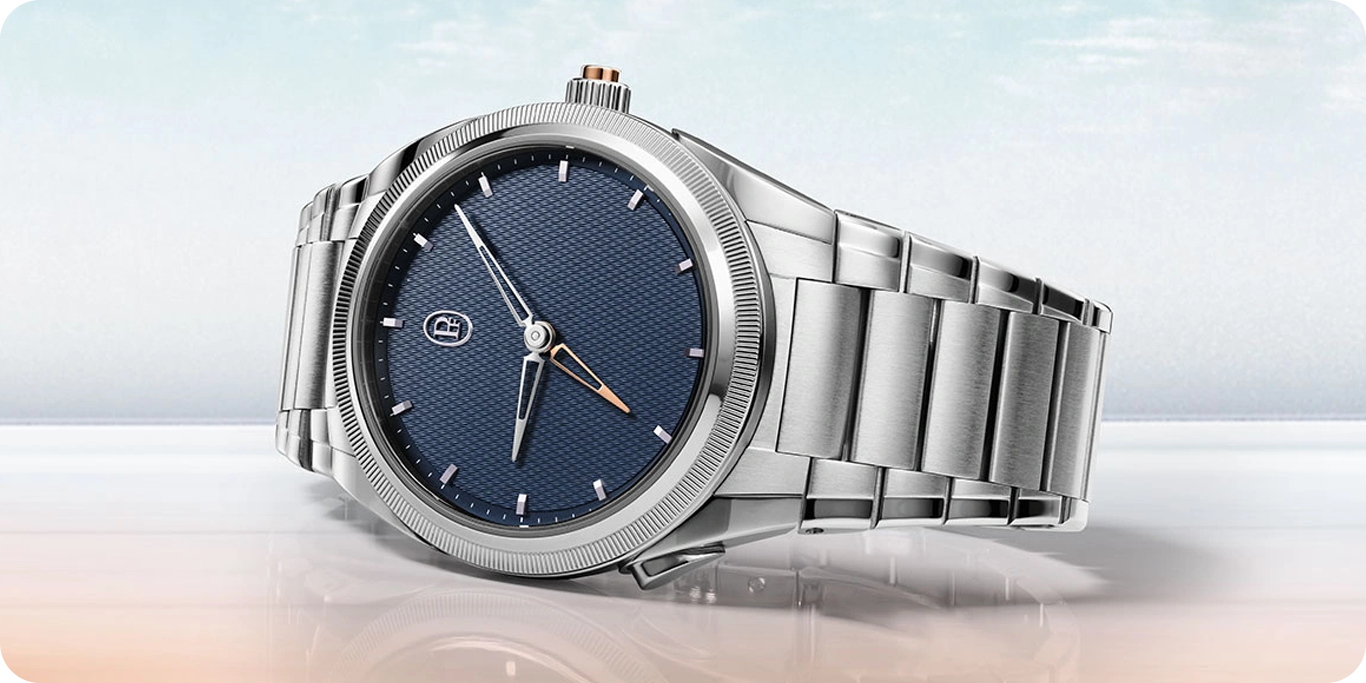
Parmigiani Fleurier sits in a slightly different position than the rest of this list. Founded by Michel Parmigiani in 1996 and backed since by the Sandoz Family Foundation, the brand has the industrial depth of a larger maison while still operating with the creative latitude of an independent. For years it was respected within the trade but commercially underweight. The Tonda PF, introduced in 2021, was the pivot point. Lean integrated bracelet, knurled platinum bezel, hand-guilloché dial in a tightly restrained color palette: the watch reset how the market thought about Parmigiani, and it has become a serious contender in the integrated sport conversation.
The Tonda PF GMT Rattrapante, the Micro-Rotor in salmon, and the Tonda PF Chronograph have all become significant references for collectors who want a sports watch from a maker doing its own thing.
Shop Parmigiani Fleurier on Bezel.
Bezel is the top-rated marketplace for buying and selling luxury watches. We give you access to tens of thousands of the most collectible watches from the world's top professional sellers and private collectors. Every watch sold goes through our industry-leading in-house authentication process, so you can buy, sell, and bid with confidence.
Download the Bezel app on the iOS App Store or start searching for your next watch today at getbezel.com.
Bezel is available to download on the App Store now. Please reach out to our concierge team if there is anything we can help you with!

©2026 Bezel Inc.
All rights reserved.