
The world spends this month picking sides. Watchmaking picked its own more than a century ago, and the borders never moved. Switzerland, Germany, and Japan each built toward a different idea of the perfect watch.
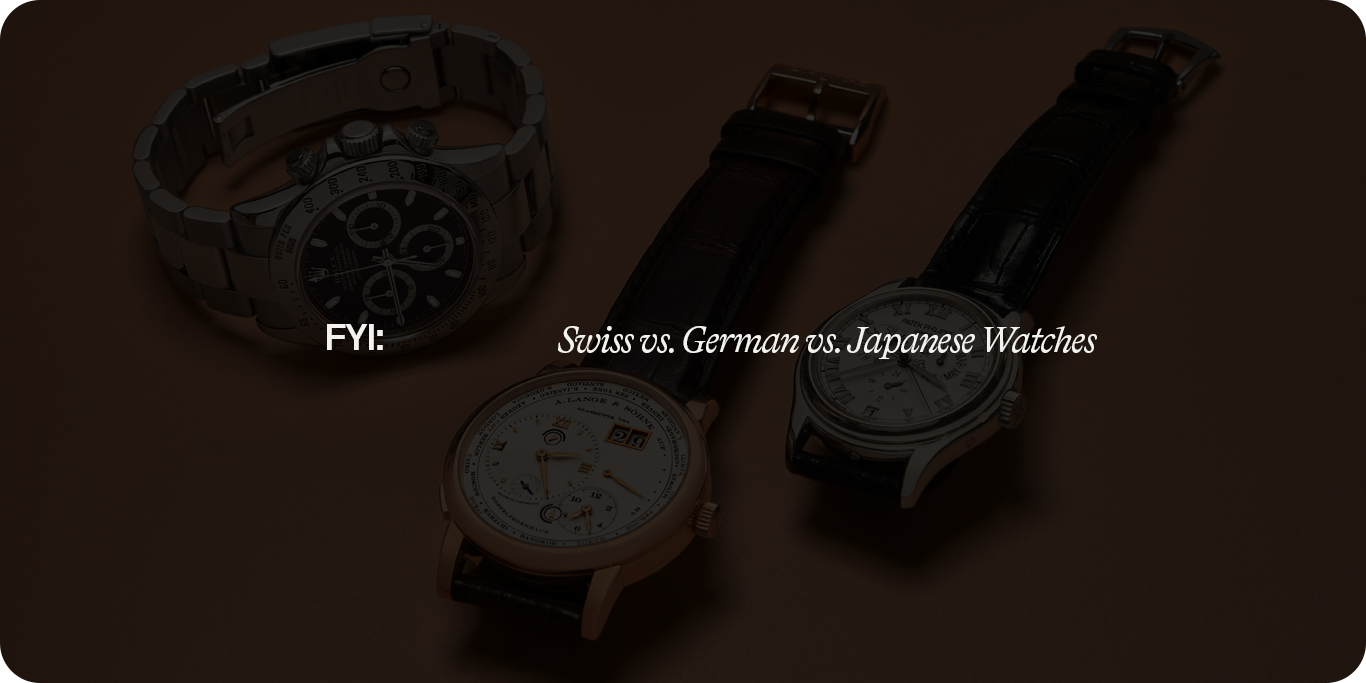
For a few weeks, the planet sorts itself into colors. People who have never once thought about a country's exports will defend its honor across a crowded bar, a flag over their shoulders and an anthem they only half know sung at full volume. It is one of the last moments when national pride gets worn in the open, cheerfully, by people who would never otherwise call it that.
Watchmaking has been holding the same argument the entire time, only with the volume turned down. Long before anyone picked a side for the summer, the craft had already drawn its borders, and the three countries that matter most each answered one question in a completely different accent. What makes a watch worth owning? Switzerland, Germany, and Japan disagree, and the space between their answers is the most interesting thing in the hobby.
Switzerland is the side everyone else is measured against, which is a strange kind of advantage. It means the Swiss rarely have to explain themselves. The watch world's defaults are theirs, set so long ago that they stopped looking like choices and started looking like physics.
The roots go back to the 16th century, when Huguenot craftsmen fleeing France settled in Geneva and the Jura and brought their metalwork with them. Four centuries of mostly unbroken practice followed, and somewhere in there the country stopped being a place that made watches and became the place watches were judged against. By the middle of the last century the Swiss held roughly half the world market and most of its prestige.
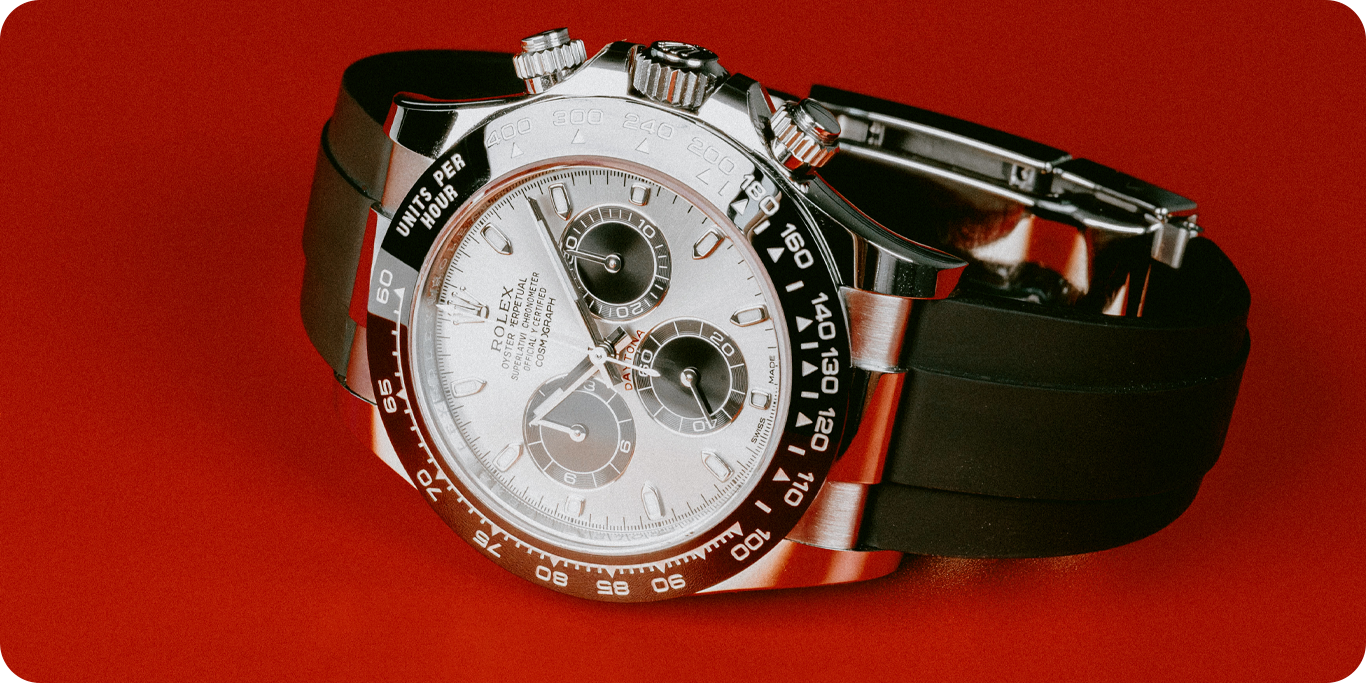
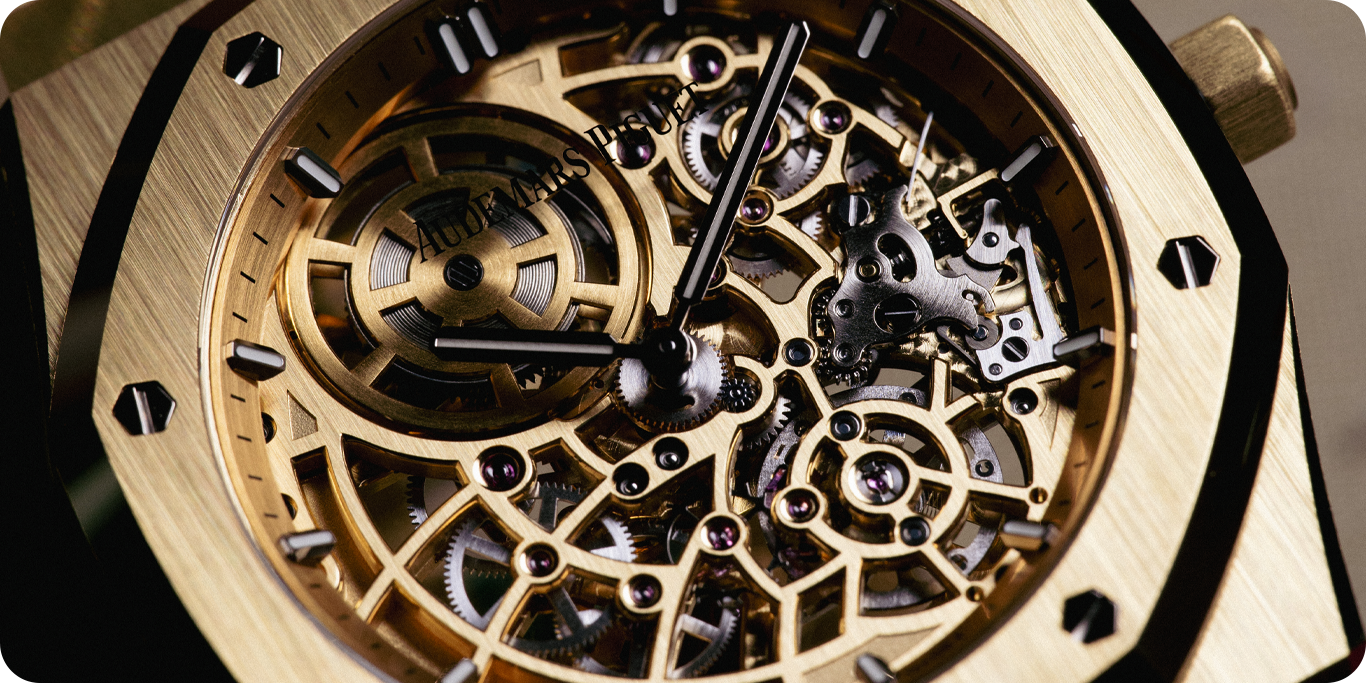
What they built with that lead was the rulebook, and the three houses at the top wrote most of it. Rolex gave the world the waterproof Oyster case and the screw-down crown, then spent decades turning the chronometer into a language the whole market now speaks. Patek Philippe made the perpetual calendar and the minute repeater into things you could buy off a production line rather than commission one at a time. Audemars Piguet, with the Royal Oak in 1972, invented the luxury sports watch on an integrated bracelet and opened a category half the industry is still chasing. The Swiss idea of the perfect watch is the complete one, excellent at everything and strange about nothing, refined until it reads as inevitable.
You see it clearly in something like the Daytona, a chronograph so thoroughly resolved that it became the reference point for its category, the watch other chronographs get compared to whether their makers want it or not. The Sea-Dweller carries the same logic into deeper water, an instrument built well past the point any owner will ever test. The GMT-Master II in its Pepsi colors does it with two time zones and a paint job that has outlived every trend it was supposed to ride in on. None of these is showing off. That restraint is the flex.
The quartz crisis nearly ended all of it. When cheap, accurate quartz arrived in the 1970s, the Swiss were slow and overextended, and the industry came close to collapse. The answer they landed on rewrote the modern market. They decided the mechanical watch would stop competing as a way to tell time and would instead become an heirloom, a luxury, a thing you bought precisely because you did not need it. Almost everything collectors covet now exists because that bet paid off. Back the Swiss and you are backing the favorite, with everything that carries.
Germany makes the opposite argument, and it makes it from a single small town. Glashütte sits in the hills of Saxony, and watchmaking took root there in 1845 when Ferdinand Adolph Lange set up shop, less out of artisanal romance than out of economic need. The region was poor, the trade was a way out, and the technical schools that grew up around it bred a culture that prized engineering over ornament. That origin still shows. German watchmaking treats decoration as something to be earned rather than applied.
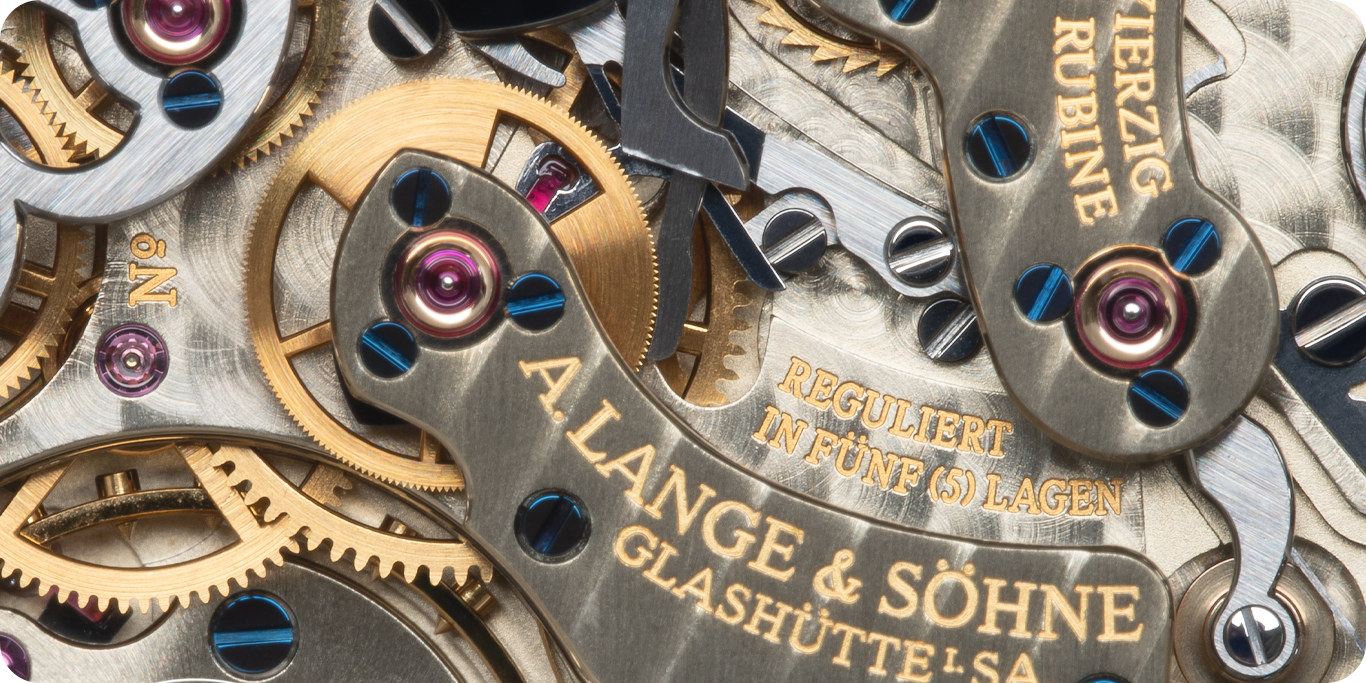
The hallmark is the three-quarter plate, a design Lange settled on in the 1860s that covers most of the movement under one broad expanse of metal. The metal itself is the tell. Lange uses untreated German silver, an alloy of copper, nickel, and zinc left unlacquered so that it warms and patinas with handling, which is why the watchmakers wear finger cots and assemble each movement twice. A fingerprint cannot be polished away. Across that plate runs Glashütte ribbing, anchored by screwed gold chatons and heat-blued screws, every one of them sitting where it does a job.
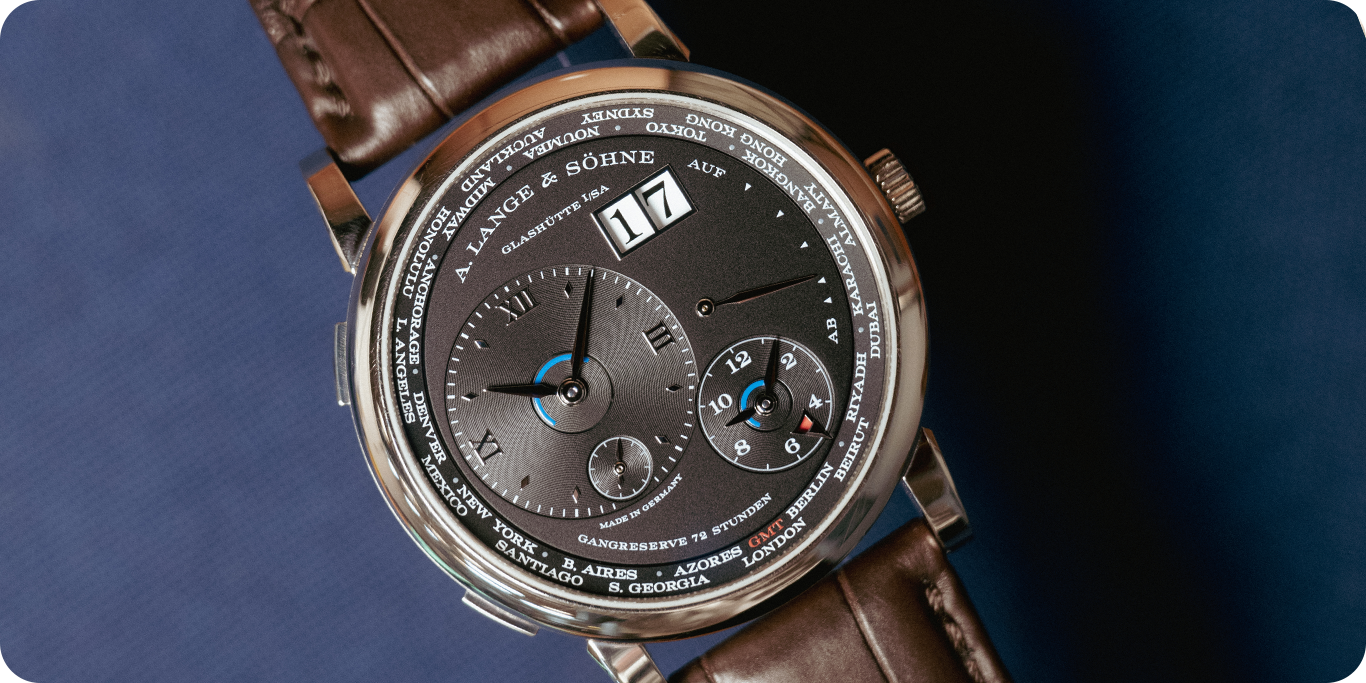
Then there is the balance cock, which explains the whole philosophy in one part. On a Lange it is engraved by hand with a floral motif, cut freehand by a single engraver, so that no two are ever identical. It sits in a corner of the movement almost no one will remove the watch to look at, and the Germans finish it to the same standard anyway. That is the argument in miniature. A flourish is allowed only if it is carried out completely, even in the dark. The same instinct gave the modern watch its outsize date, lifted from a clock in the Dresden opera house, and tunes many of these movements with a swan-neck regulator adjusted by hand.
The history under all this is heavier than the Swiss story. Glashütte was bombed in the final days of the war, then nationalized under East Germany, and the Lange name very nearly vanished from the record. It came back in 1990, when Walter Lange, the founder's great-grandson, relaunched the company months after the Wall fell. A modern Lange carries that survival in it, which is part of why the watches feel like they are proving something. The Datograph makes the case as well as anything, a column-wheel chronograph that working watchmakers will quietly tell you is among the best ever built. The Saxonia makes it in a lower voice, a dress watch pared down so far that the little left has no choice but to be perfect. A Lange asks to be judged on whether every decision inside it can be defended, and it almost always can.
Japan came to all of this last, and spent decades being told that mattered. Seiko's roots run to the late 19th century, which makes the country a newcomer beside Geneva and Glashütte, and for a long time the assumption abroad was that Japanese watches were accurate, affordable, and not much else. Japan answered that assumption twice, and won both times.
The first answer was quartz. In 1969 Seiko released the Astron, the first quartz wristwatch, and handed the world precision at a price the mechanical industry could not touch. It is the same technology that nearly buried Switzerland, and from the Japanese side it reads less like an attack than like a thesis finally delivered, that exact timekeeping should belong to everyone. The craft Japan is proudest of, though, is the second answer, and it has nothing to do with batteries.
Grand Seiko exists to prove that Japan can out-finish Europe, and the proof starts with a man in a department store window. In 1962, designer Taro Tanaka spent hours at the Wako store in Ginza watching how people looked at watches, and noticed that Grand Seiko's pieces died next to the Swiss competition. They simply did not catch the eye. His conclusion was that the answer was light, and the design language he wrote around that idea still governs the brand. Flat surfaces, sharp ridges where two planes meet, geometry clean enough to throw light straight back without a ripple of distortion.
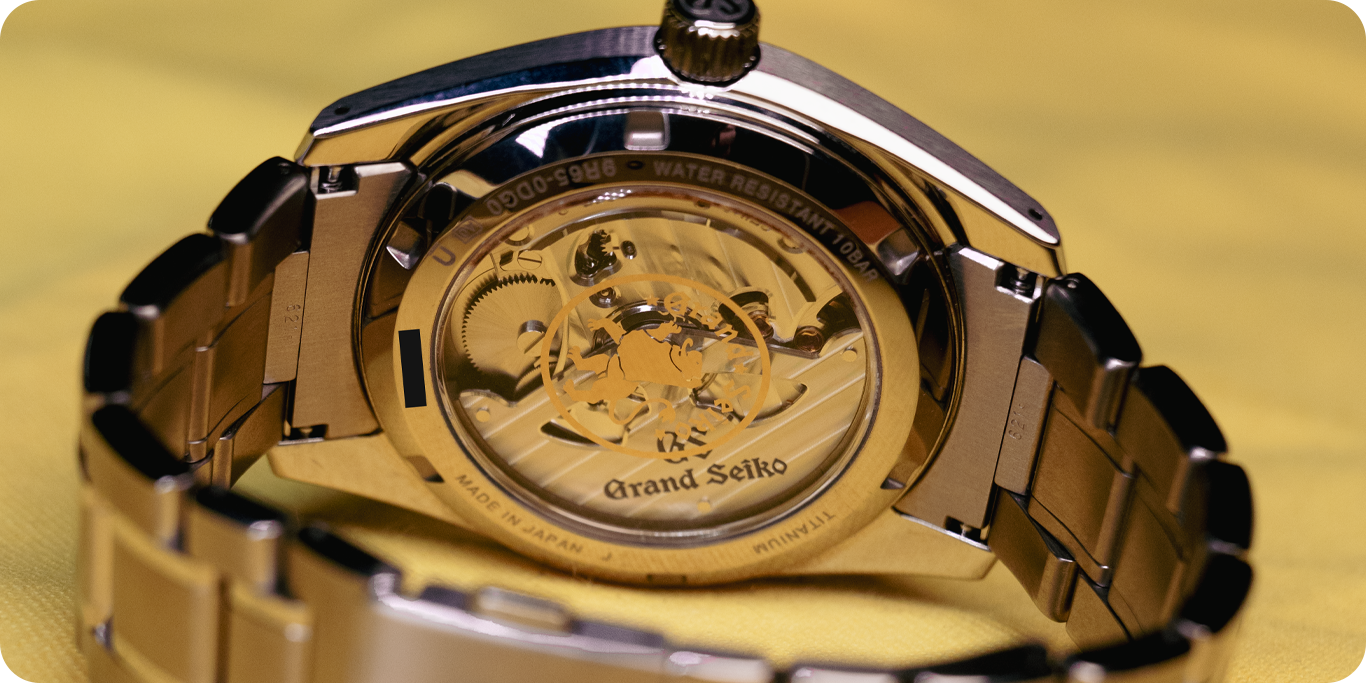
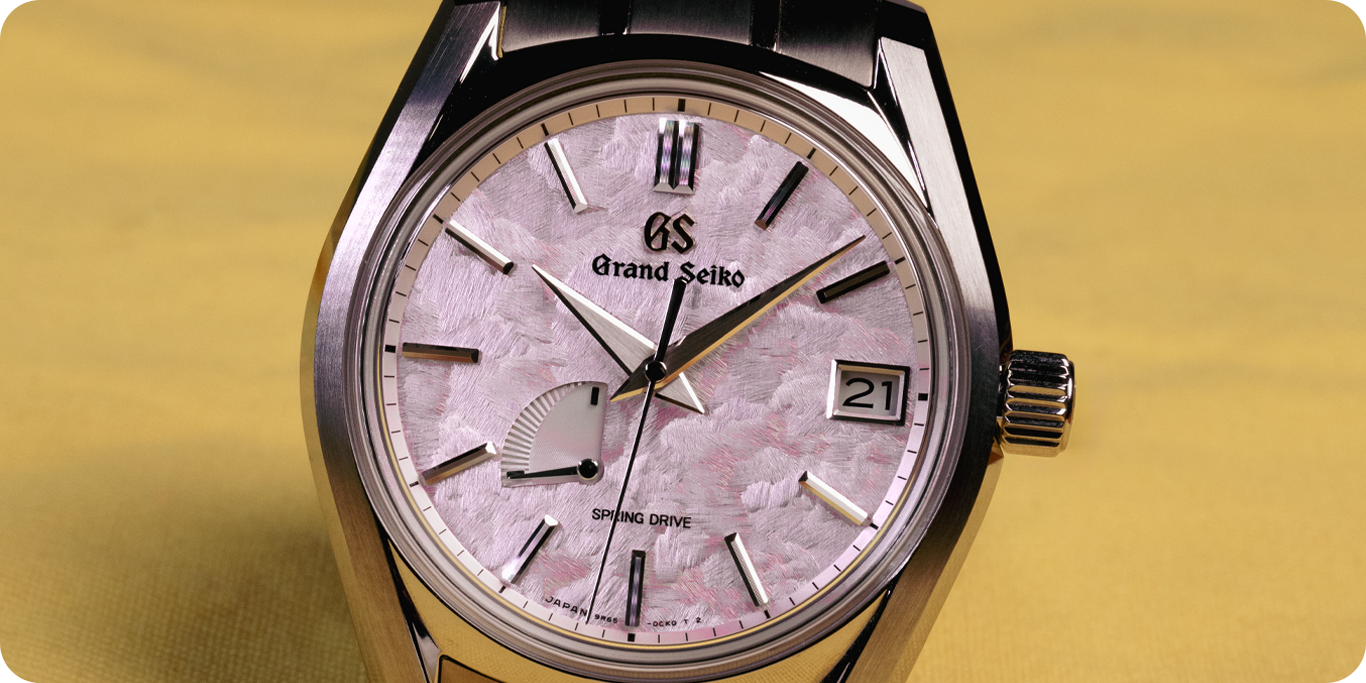
Holding that standard takes Zaratsu polishing, the technique Grand Seiko is known for. The name is a Japanese rendering of Sallaz, the European firm whose machines did the work in the early days, and the process presses a case against the flat face of a spinning disc rather than its edge. It is harder than ordinary buffing, because buffing rounds an edge and Zaratsu has to keep it razor sharp, and it leaves a mirror with no warp in it from any angle. The other signature is Spring Drive, a movement that runs on a conventional mainspring but regulates itself with a quartz reference and an electromagnetic brake, so the seconds hand glides in one continuous sweep instead of ticking. Set beside the brand's high-beat mechanical calibers, it is the clearest statement of the whole project: mechanical soul, quartz accuracy, and a finish that embarrasses watches at three times the money.
You feel it in a piece like the Heritage Shunbun, a Spring Drive watch whose dial reads like a season caught in metal and whose finishing has no business appearing at its price. The Elegance Omiwatari and the ice-blue Heritage run the same trick in different keys. Back Japan and you are backing the side that earned its seat at the table by being undeniable, not by being invited.
None of this resolves into a winner, which is the point. Three countries looked at the same small machine and saw three different things worth chasing. Switzerland saw the standard and spent four hundred years sanding it smooth. Germany saw a discipline and built a town around the idea that craft has to answer for itself. Japan saw a closed door and finished its way through it.
What you put on your wrist says which of those arguments you find most convincing. The flags come down at the end of the month. This one stays up.
Bezel is the top-rated marketplace for buying and selling luxury watches. We give you access to tens of thousands of the most collectible watches from the world’s top professional sellers and private collectors. Every watch sold goes through our industry-leading [in-house authentication process](https://getbezel.com/authentication), so you can buy, sell, and bid with confidence.
Bezel is available to download on the App Store now. Please reach out to our concierge team if there is anything we can help you with!

©2026 Bezel Inc.
All rights reserved.