
The renewed interest in watches under 40mm reflects a shift back toward balanced proportions. Explore why collectors are rediscovering smaller watches from Rolex, Patek Philippe, Cartier, and Audemars Piguet.
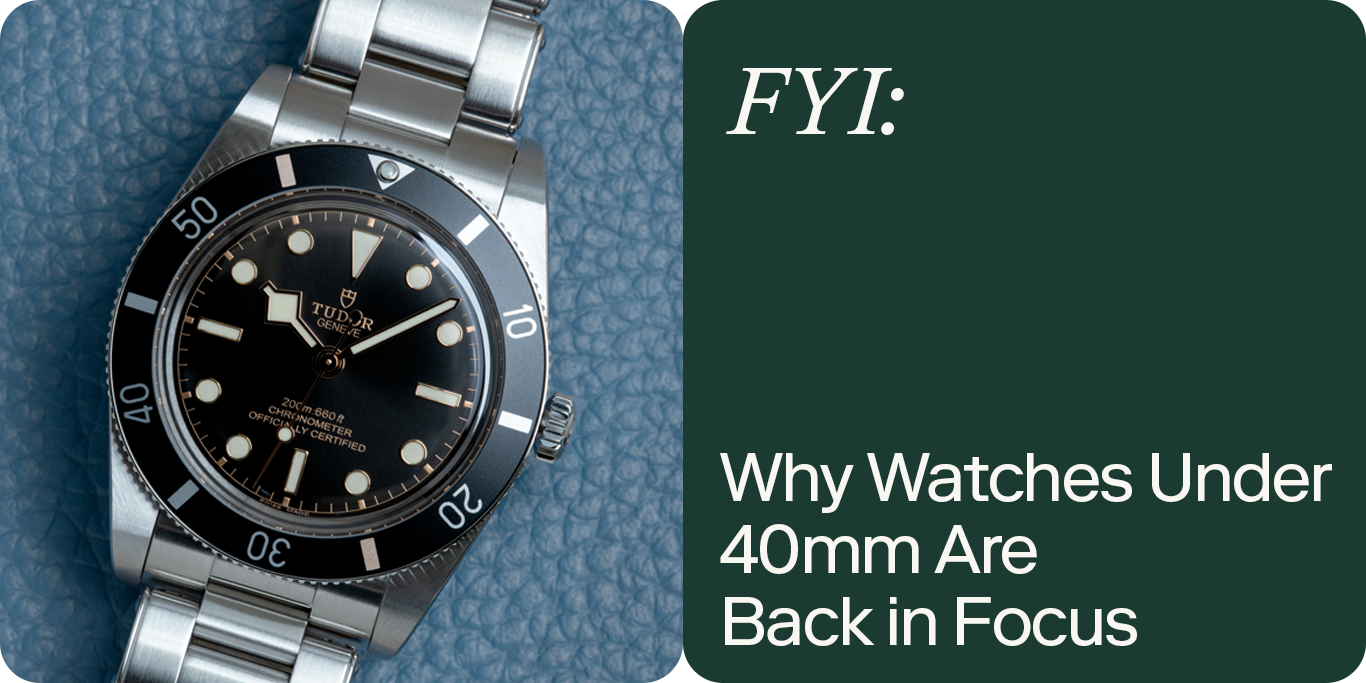
For much of the early 2000s and the decade that followed, watch sizes moved in one direction. Case diameters climbed past 40mm and kept going. Many releases favored a larger footprint on the wrist, and scale became an easy way for new watches to announce themselves.
In recent years that momentum has softened. More collectors have begun revisiting watches under 40mm, paying closer attention to proportions that were once standard across much of the industry. The appeal isn’t rooted in nostalgia alone. It’s about balance.
A well-sized watch tends to disappear into daily life. It sits comfortably on the wrist, slides under a cuff without resistance, and allows the design itself to carry the visual weight. For many collectors, that subtlety has become part of the attraction.
To understand the renewed interest in smaller watches, it helps to look at how the industry arrived here.
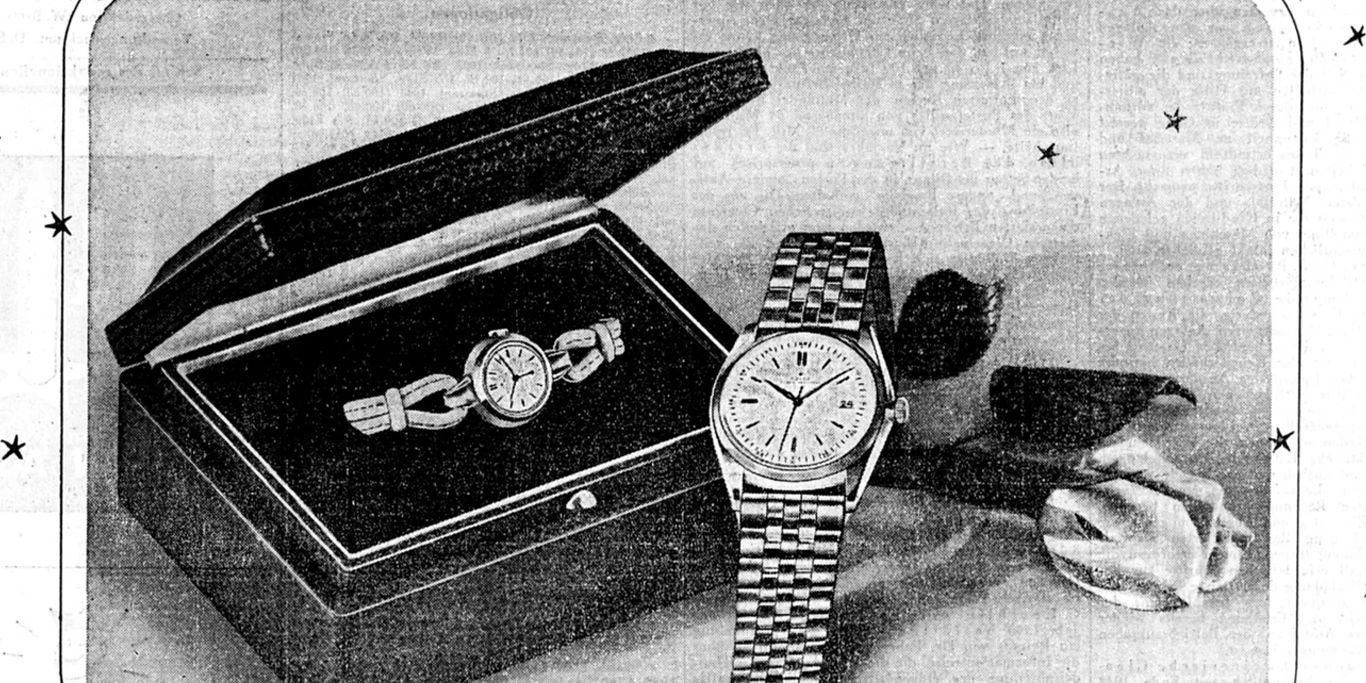
Throughout much of the 20th century, watches were modest by modern standards. Many of the references now considered foundational pieces were designed between 34mm and 36mm. The Rolex Datejust, introduced in 1945, established the template for an everyday wristwatch within that range. While its dimensions were initially smaller, Patek Philippe’s Calatrava line later followed similar proportions, as did countless chronographs and dress watches across the Swiss industry.
Larger watches existed, particularly in aviation and military contexts, but they were exceptions rather than the rule.
The turning point arrived in the late 1990s and early 2000s. Brands like Panerai brought oversized cases into the spotlight, with watches regularly measuring 44mm or more. Other manufacturers soon followed, and larger diameters became a familiar part of new releases across the industry.
For a period, scale alone carried much of the visual impact.

The renewed attention around sub-40mm watches does not come from abandoning larger pieces. Many collectors now move comfortably between sizes, choosing watches based on design, context, and how they wear day to day.
Vintage collecting has played a role as well. Spending time with mid-century watches tends to recalibrate expectations. Proportions that once seemed small begin to feel intentional.
Wearability has also driven the shift. Watches in the 36mm to 39mm range tend to sit closer to the wrist and distribute weight more evenly. Over the course of a day, that difference becomes noticeable. The watch feels integrated rather than dominant.
Design changes as well. Smaller cases leave less room for excess. Dial layouts must remain legible without relying on sheer scale, and the relationship between bezel, dial, and bracelet becomes more important. When the proportions work, the result can feel remarkably refined.
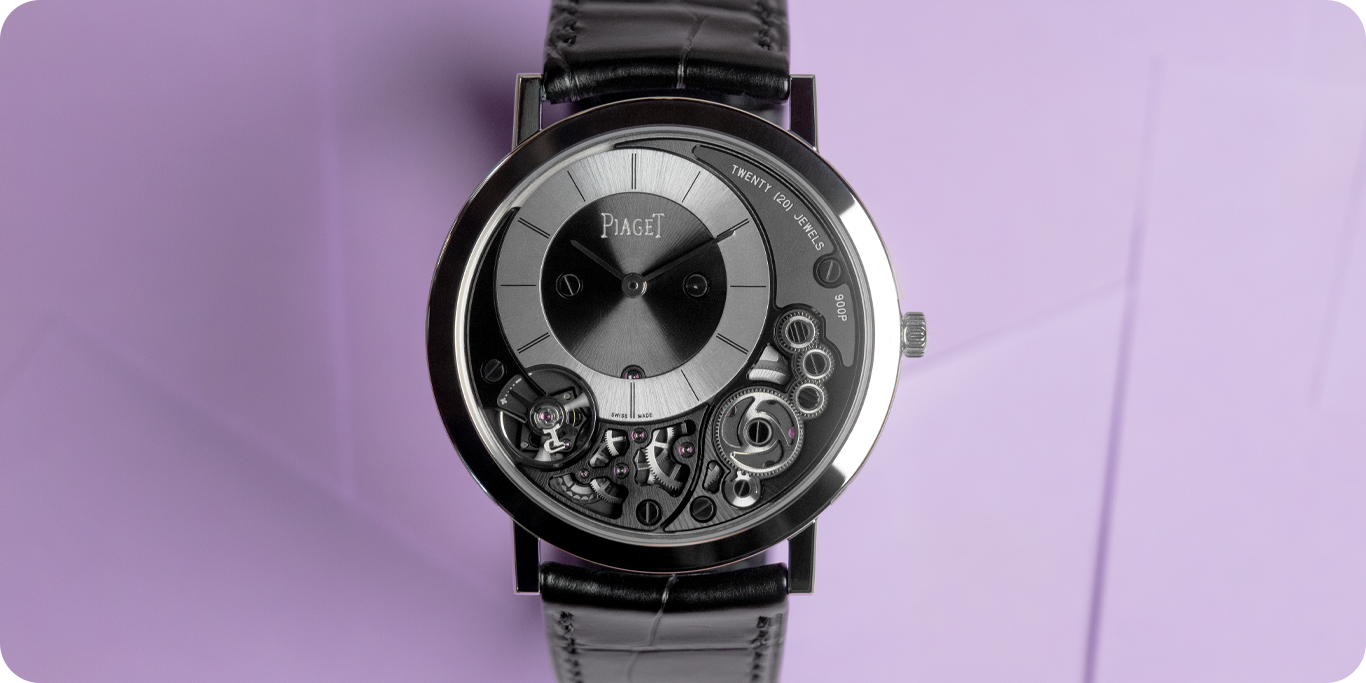
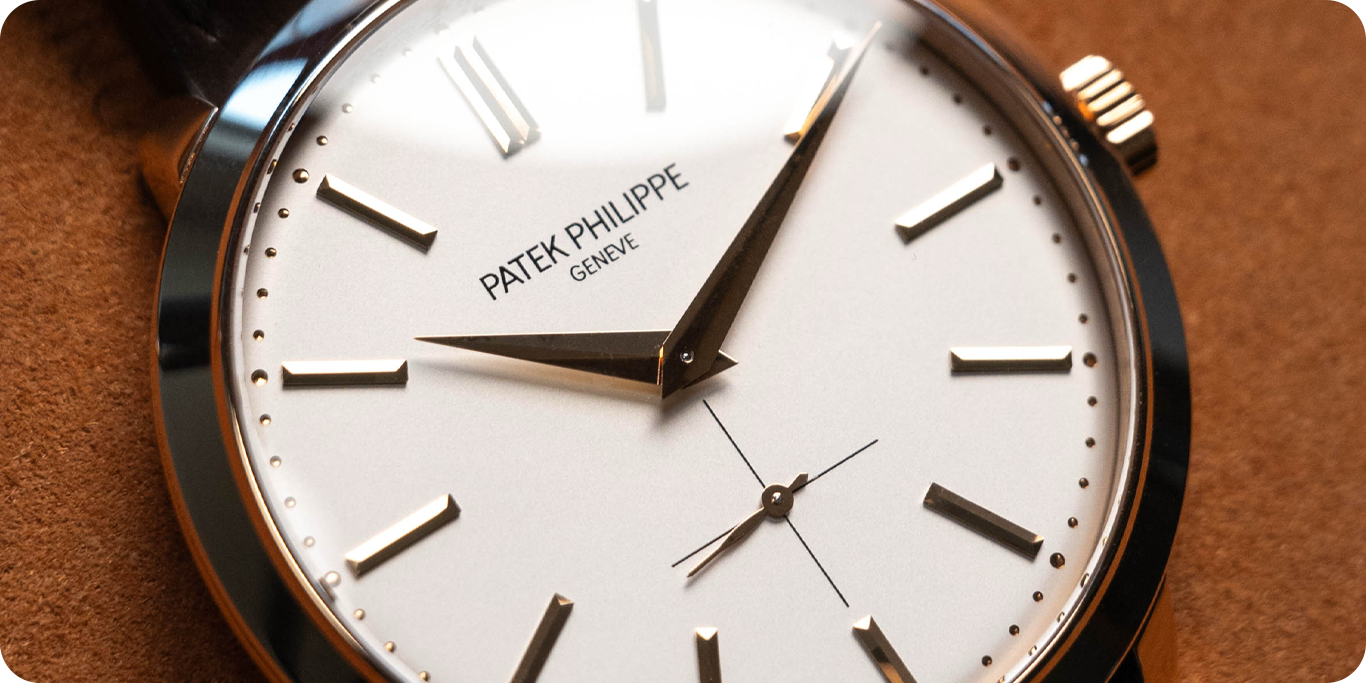
Many of today’s most compelling watches under 40mm draw directly from those earlier proportions.
The Rolex Datejust 36 remains one of the clearest examples. Decades after its introduction, the format still feels complete. The case size sits comfortably on a wide range of wrists, and the design rarely calls attention to itself. Instead, it rewards familiarity.
Sport watches have followed a similar path. Patek Philippe’s Aquanaut 5066A offers a useful example. At just under 40mm, the case retains the character of a modern luxury sports watch while remaining comfortably measured on the wrist.
Cartier approaches the idea differently. The Ballon Bleu Moon Phase leans on curvature and proportion rather than diameter. Even in a more compact case, the design remains immediately recognizable.
Audemars Piguet’s Royal Oak demonstrates how integrated designs adapt naturally to smaller cases. The Royal Oak’s geometry has always relied on proportion first. When the diameter remains measured, those relationships become even more apparent.
None of this suggests larger watches are disappearing. Preferences continue to vary, and modern collections often include pieces across multiple size ranges.
What has changed is the freedom collectors feel to choose proportion based on the watch itself rather than prevailing trends. Some designs benefit from larger dimensions. Others reveal their strengths at a more restrained scale.
Many of the watches that continue to define the industry were originally conceived with moderation in mind. Seen in that light, the renewed attention around smaller watches reads less like a passing shift and more like a rediscovery of proportion.
Watches under 40mm occupy that space naturally. They rarely demand attention, yet they hold it easily. On the wrist, the effect is subtle. The watch simply feels right.
Bezel is the top-rated marketplace for buying and selling luxury watches. We give you access to tens of thousands of the most collectible watches from the world's top professional sellers and private collectors. Every watch sold goes through our industry-leading in-house authentication process, so you can buy, sell, and bid with confidence.
Download the Bezel app on the iOS App Store or start searching for your next watch today at getbezel.com.
Bezel is available to download on the App Store now. Please reach out to our concierge team if there is anything we can help you with!

©2026 Bezel Inc.
All rights reserved.