
In conversation with Watches of Espionage, the man behind the platform exploring watches, intelligence culture, and the meaning behind the timepieces people wear.
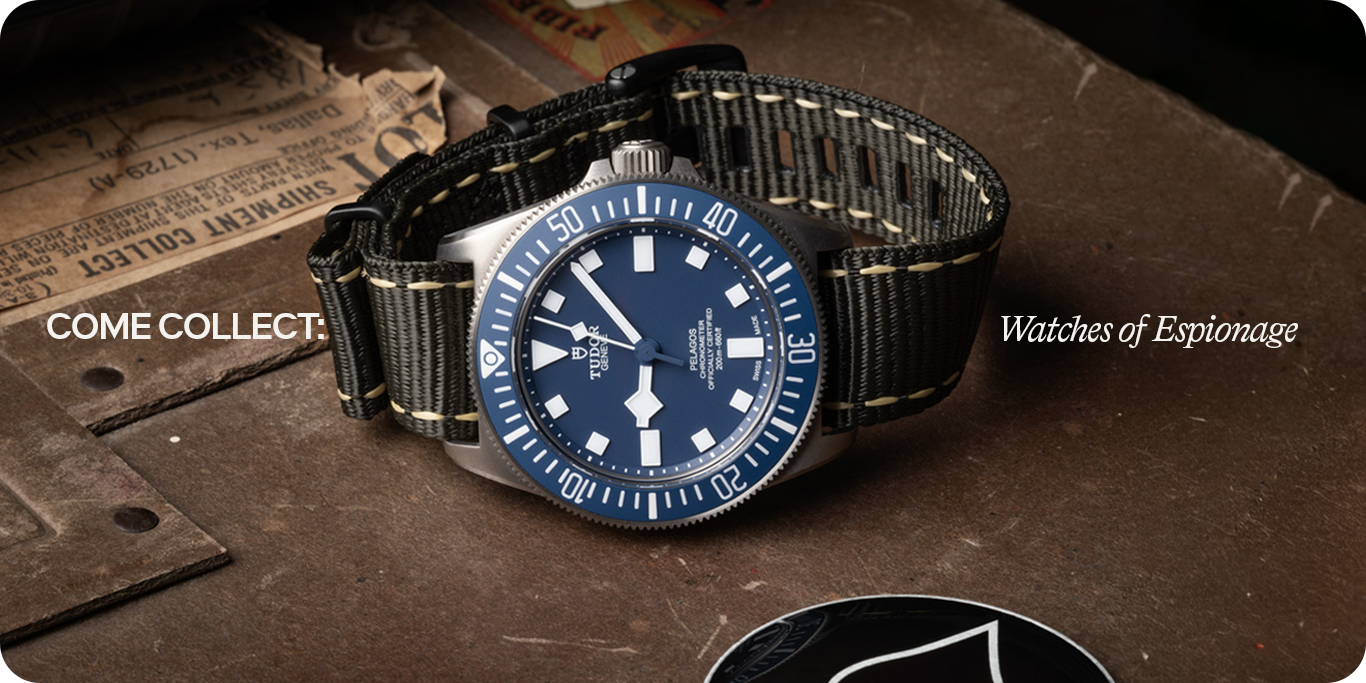
Watches of Espionage sits in a part of watch culture few platforms explore. Run by a former CIA Case Officer who remains anonymous, it approaches watches as more than collectibles, seeing them as objects that move through complex lives and environments. The stories often start with a reference or a wrist sighting, then open into something larger about context, perception, and experience.
In this edition of Come Collect, we speak with the mysterious voice behind Watches of Espionage about collecting, perspective, and why certain watches carry meaning far beyond their function.
Isaac Wingold: For those unfamiliar with Watches of Espionage, how do you usually explain what the project is, and what it’s not?
Watches of Espionage: Watches of Espionage explores the intersection of watches and the military, intelligence, and national security. We originally started as an Instagram page and blog, but have since branched out to watch accessories and YouTube, with well over half a million followers across various platforms.
At our core, we are storytellers, offering readers unique insight into the little-known and largely misunderstood stories from our community. Everything we do is informed by my background as a CIA Case Officer and my own relationship with watches, both as a practitioner in the field and as a collector today.
We cover everything from the Navy SEAL who wore a Rolex Submariner on the raid that brought Usama bin Laden to justice to the watches worn by dictators and special military unit watches customized by some leading brands, including Rolex, Omega, Tudor, Seiko, and Breitling.
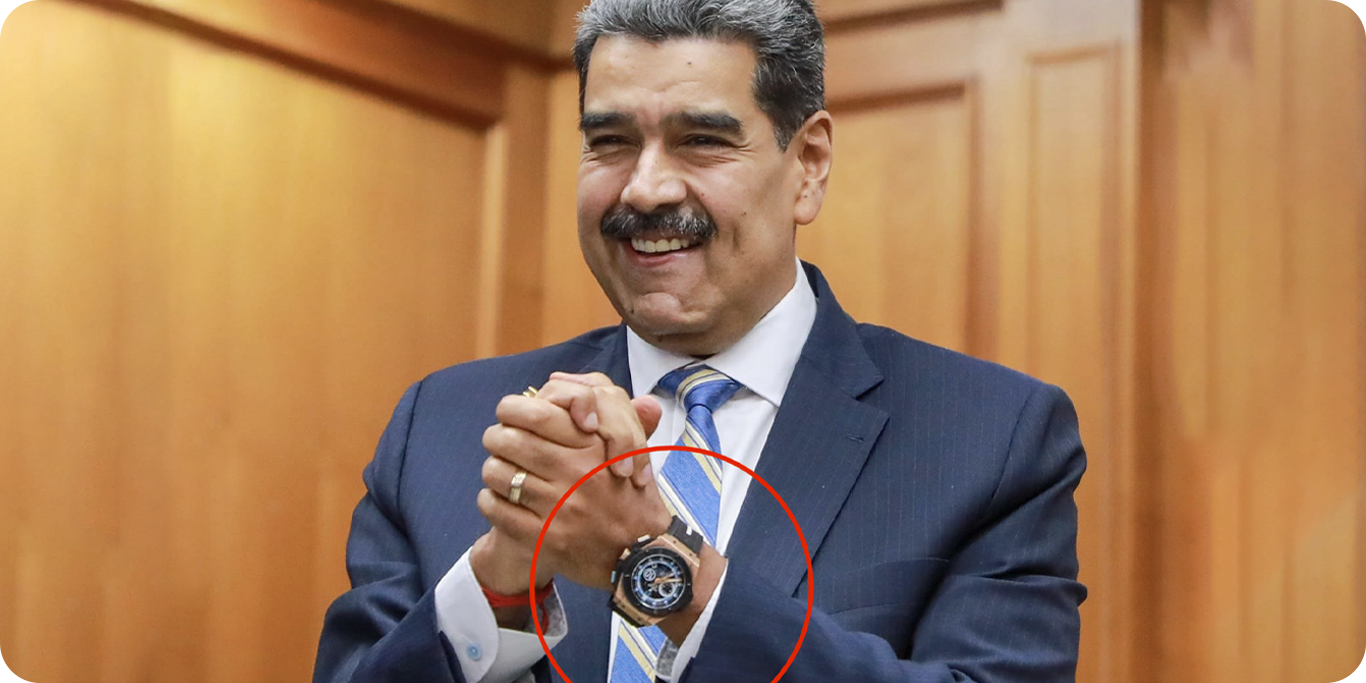
While we are a watch platform, the watch is often the entrée to the human element. We explore and analyze complex and nuanced topics, such as the watches worn by Russian President Vladimir Putin and, most recently, those worn by Venezuelan President Nicolás Maduro. Our content isn’t for everyone and in many ways runs in stark contrast to “traditional” watch media.
IW: Why do you think watches in particular lend themselves so well to stories about service, risk, and responsibility in ways other gear doesn’t?
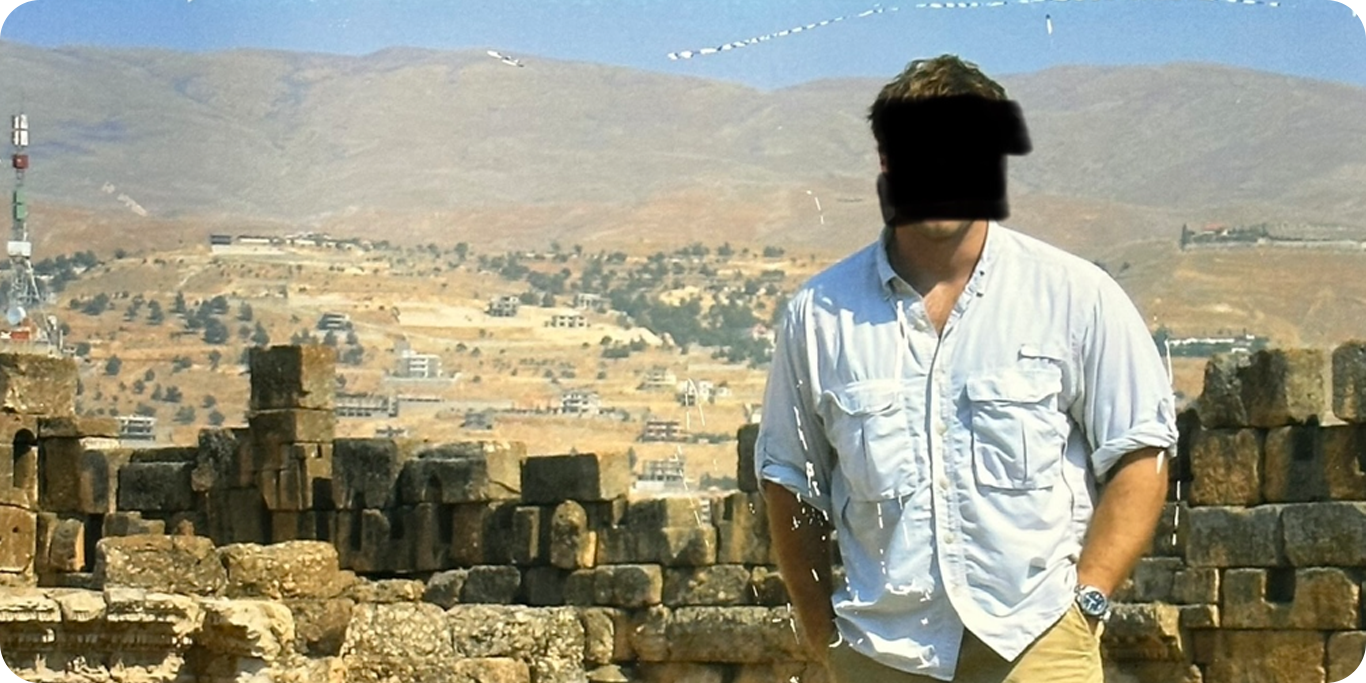
WOE: First, stepping back from W.O.E., a watch can tell you a lot about any person, both how they perceive themselves and how they want to be perceived by others. But in the military and intelligence space, that is even more pronounced.
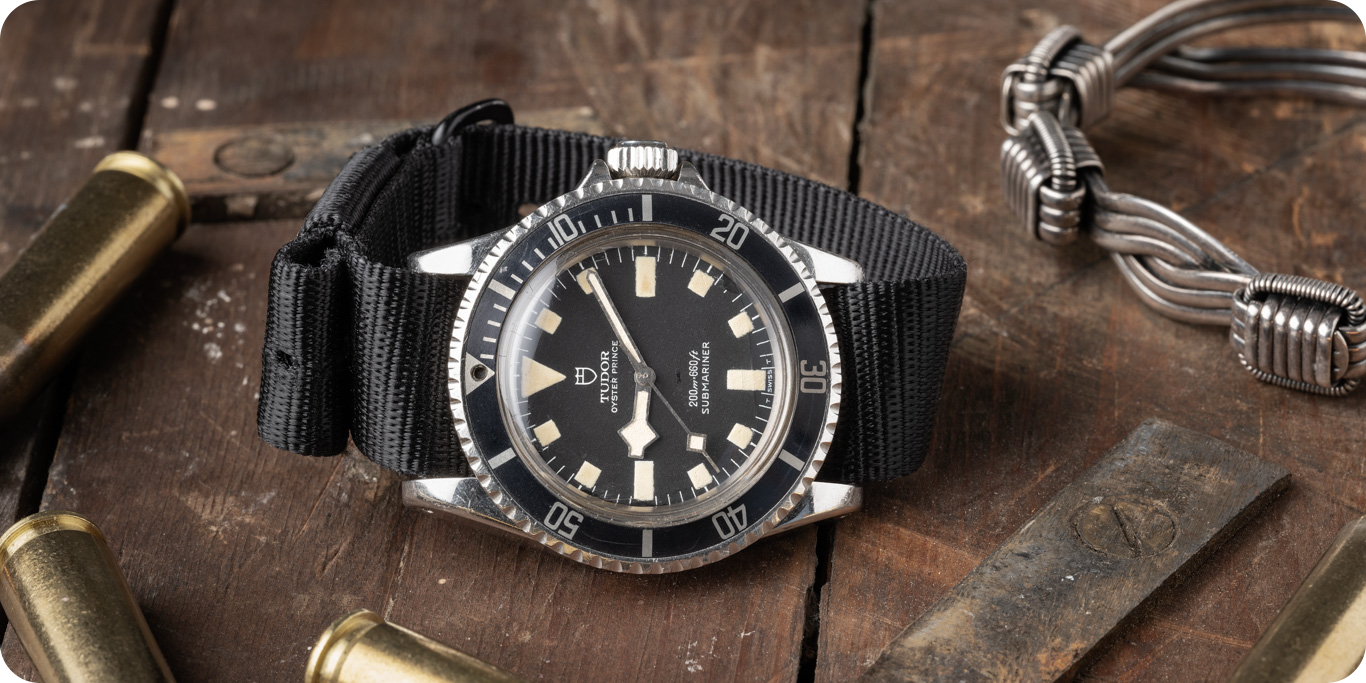
There is a strong watch culture in the national security space, dating back to World War I and especially prominent in Vietnam, when iconic pieces like the Tudor and Rolex Submariners and various Seikos were used. Today, that culture continues with myself and other practitioners honoring those who came before us through personal purchases and commemorative unit watches, often with unique dials and caseback engravings produced by various Swiss brands.
In our community, watches are still used for their intended purpose: telling time. Smart watches are generally not acceptable due to counterintelligence risks (location tracking, hot microphones, etc), and even checking a cellphone for the time is often not an option.
IW: There’s a definite sense of restraint in how you write. How intentional is that restraint, and why does it matter to the identity of Watches of Espionage?
WOE: Very intentional. At W.O.E., we cover difficult topics, including the watches of war criminals, terrorists, and the leaders on both sides of every major conflict. If you consume our content long enough, you’ll inevitably see something that makes you uncomfortable and potentially even triggers an emotional reaction. Our goal is to present facts about these individuals and what their watch choice tells us in the broader context through unbiased analysis.
The reason for restraint and impartiality is two-fold. First, we live in a hyperpolitical environment where everything online is presented and interpreted in an “us vs. them” mentality. Our audience is actually quite diverse, and from the very beginning, I set out to create an environment that operates outside that framework. I don’t care where you live or what you believe. If you find our content interesting, we encourage you to stick around.
Second, at the CIA, I was taught (indoctrinated) to separate my own emotions and biases, to objectively analyze a situation. Whether you’re a Republican or a Democrat, I think you should still be able to find value and entertainment in analyzing the watch of a US President from the opposing party. That may seem like a revolutionary concept, but it's actually how the world used to operate, and for us, it still does.
IW: Tool watch is a term that’s often used in modern watch culture. From where you stand, where does that idea line up with reality, and where does it start to drift?
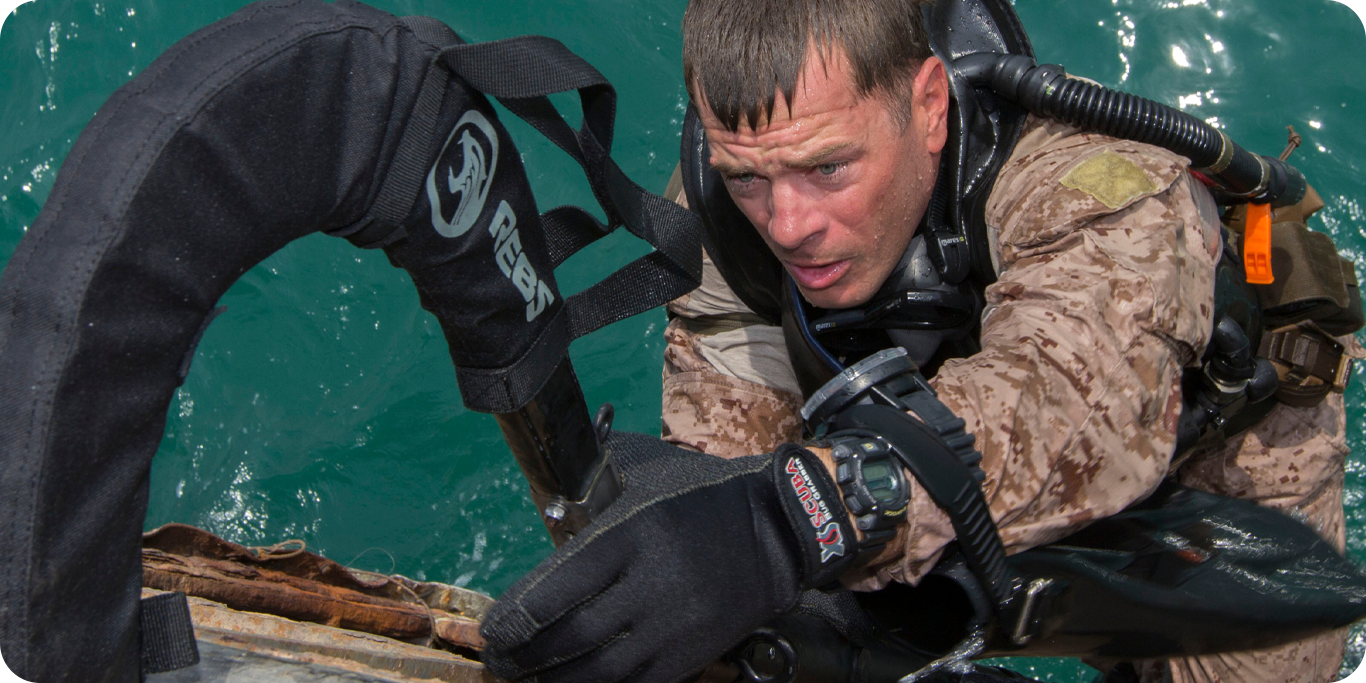
WOE: The reality is, for most modern practitioners today, “tool watches” are digital, including from brands like Timex, Garmin, Suunto, and of course the Casio G-Shock, which we have covered extensively. But before the quartz crisis of the 1970 and 80s, military, special operators, and intelligence officers relied on mechanical watches for their intended purpose.
For me, a tool watch is one originally designed for a specific purpose, i.e., diving. I would go as far as to say that many of the modern “tool watches” today were designed for aviators, divers, and infantrymen; they were tools of war. Of course, today the Rolex Submariner and Omega Seamaster are, from a technical standpoint, pretty much obsolete with dive computers and smartwatches, but they were designed for that purpose, built to that specification, and could still be used for that activity.
For many practitioners who use and wear modern mechanical tool watches, it is much more about culture and heritage than true utility.
IW: In environments where discretion matters, what can a watch communicate without drawing attention to itself?
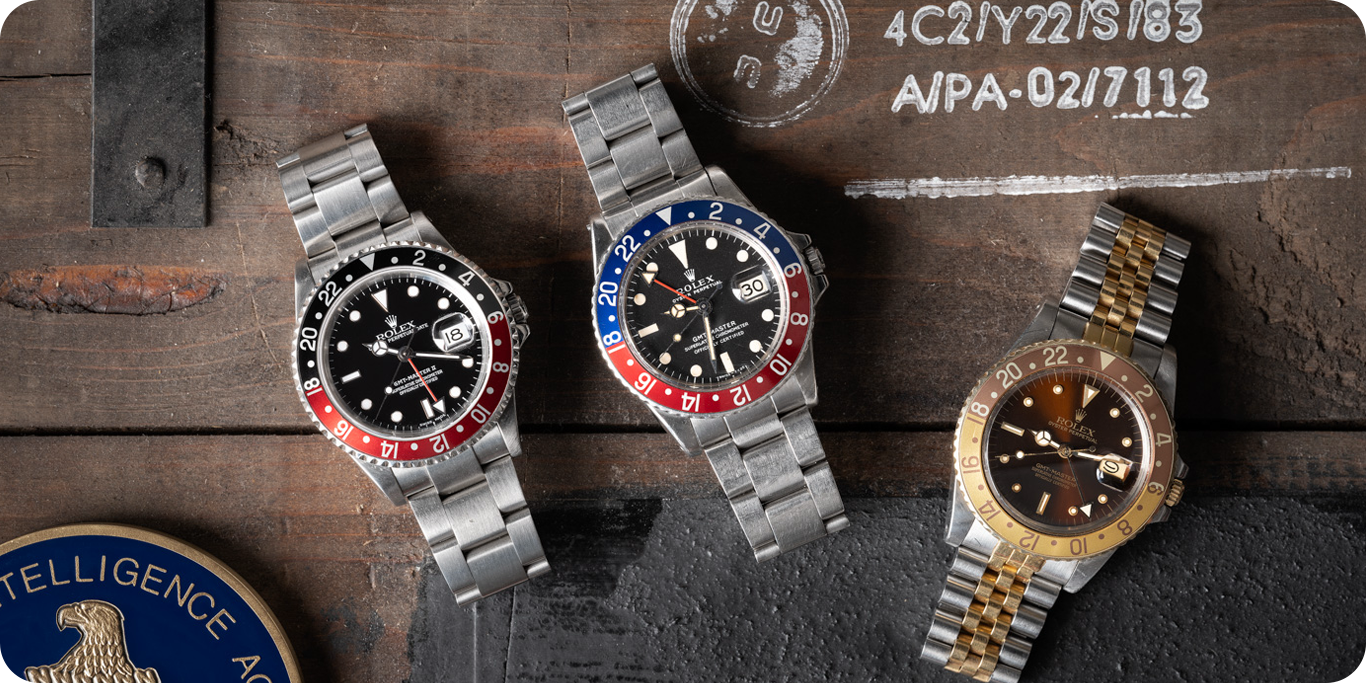
WOE: The classic answer at CIA is “it depends.” For CIA officers, a watch is a crucial piece of gear because we can’t rely on smart watches or cell phones. It doesn’t have to be a Rolex, but a reliable, cover-consistent timepiece that is not connected to the internet is essential.
A good Case Officer’s watch must be functional, subtle, and versatile, something that works at a diplomatic function or in the African bush. The right choice is also cover-specific: a Rolex might suit a diplomat or an oil executive, while an F91W, G-Shock, or Seiko may be more appropriate elsewhere. That said, a watch can also become a liability. If you are posing as a diplomat, a hyper-tactical PVD watch worn on the inside of your wrist could potentially blow your cover.
For decades, hard men traveled to hard places with luxury timepieces on their wrists. Saddle up to an expat bar in Nairobi, Mexico City, or Bangkok, and you’d be sure to see NGO workers, mercenaries, diplomats, and spies wearing a Rolex GMT-Master II, Omega Seamaster, or Breitling Emergency. In fact, many of these timepieces were developed with this exact customer segment in mind. That said, there has been a significant increase in watch crime today, so even wearing a Rolex in London is no longer considered a smart choice.
IW: How would you describe your own taste in watches today? What tends to matter most to you now compared to earlier on in your collecting journey?
WOE: When I was at the CIA, I didn’t consider myself a watch collector. I had a handful of watches I had accumulated over the years, and I appreciated them for their physical and mechanical attributes, but I did not collect them. I did not take wrist shots to send to my internet friends or spend hours poring over obscure watch forums. I enjoyed the watches, but my interest was surface-level.
I saw a post on Reddit recently that criticized my collection as “boring and uninteresting,” and frankly, I agree. I am a simple man; give me a steel or titanium dive watch and a handful of straps, and I am happy.
That said, since leaving the CIA (and becoming a watch “influencer”), I have gone pretty deep down the vintage military-issued rabbit hole. I own and wear several “controversial” timepieces, including a Blackwater Breitling Emergency, a Rhodesian military-issued Roamer, and a South African Navy-issued Tudor MilSub. The Tudor Submariner and Roamer are byproducts of apartheid-era conflicts, a controversial topic by any standard. Blackwater is one of the most controversial private military contractors and also conjures up strong emotions for many.
These pieces are more than the sum of their parts; they are wearable artifacts of specific periods in time, and for me, indicative of historical significance rather than ideological affiliation. I believe one can own them without condoning the original end-user's behavior.
IW: Has something outside your usual wheelhouse ever attracted your attention and/or made its way into your collection?
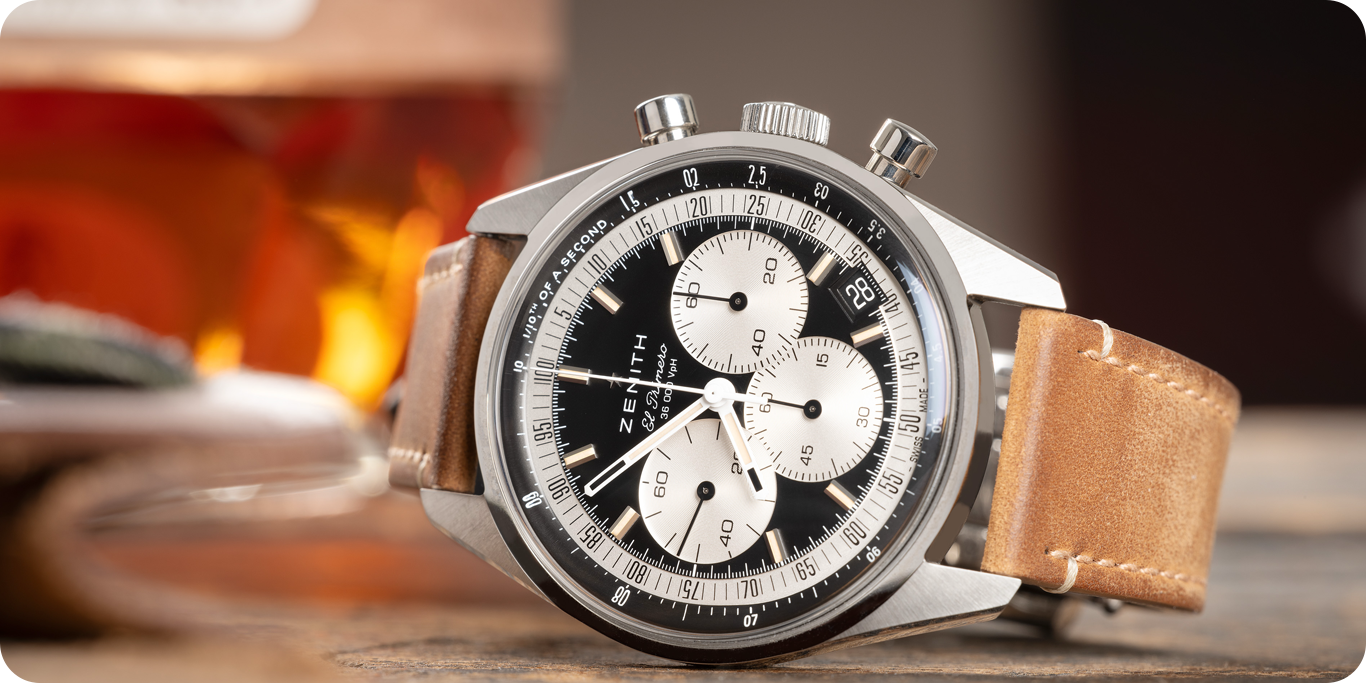
WOE: Aesthetically, one of my favorite watches is my Zenith El Primero. It has a stunning dial and a rich history. Rolex used a modified version of Zenith’s high-beat El Primero movement to power the first automatic Daytona, from the late 1980s until 2000. This one was a gift after my first big private sector accomplishment after leaving the Agency. The watch is stunning. I am a big fan of Zenith and believe the brand punches well above its weight. That said, my Zenith rarely sees wrist time. As much as I appreciate the complication and heritage, I am just not a chronograph guy. Like I said, I'm a simple man.
IW: What do you think the continued relevance of mechanical watches says about how people relate to time, reliability, and permanence?
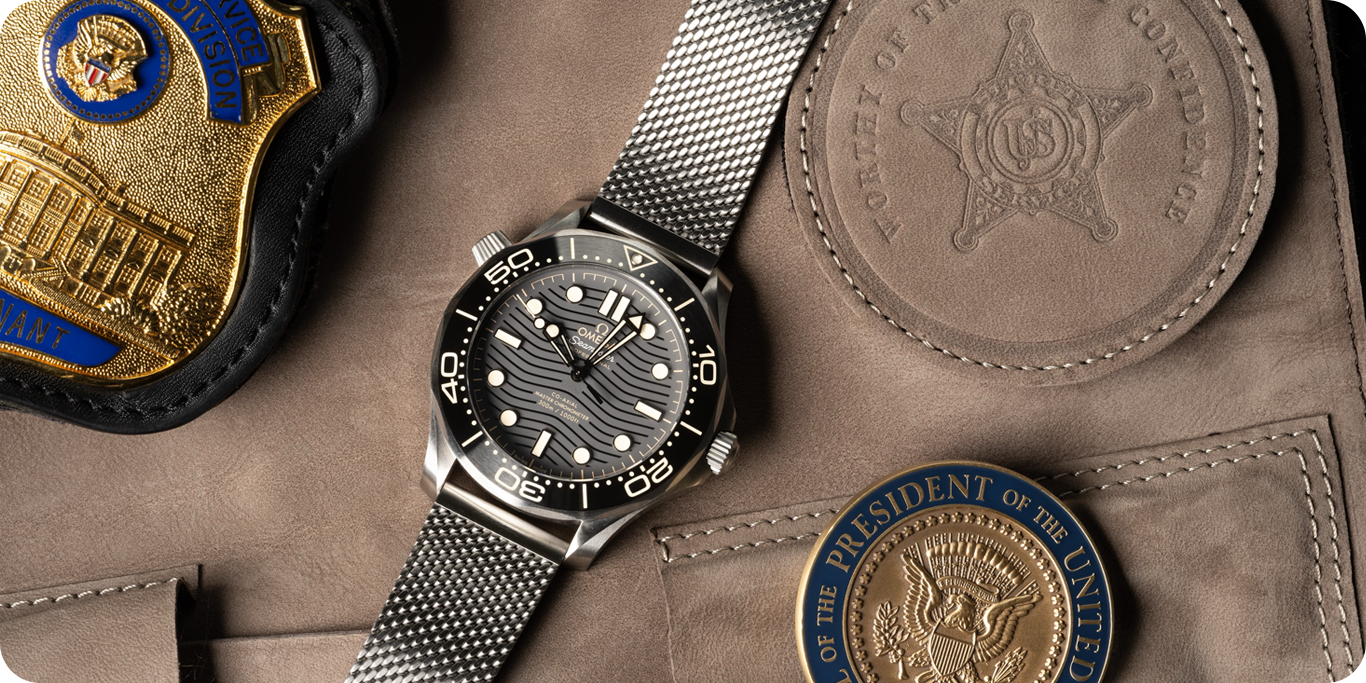
WOE: In our community, specifically SOF and intel practitioners, it comes down to culture and heritage more than anything else. While you can argue that automatic watches are more reliable than quartz, the reality is that no one in our field needs an automatic watch. One stark example of this is the recent unit watch phenomenon.
A unit watch is a timepiece that is customized by the manufacturer for members of a specific unit or organization. Customizations generally include the unit’s insignia on the dial and/or an engraving on the caseback. Unit watches are generally private purchases, paid for by the individual operator, and not issued or purchased by the government. While some of these are worn operationally, they are really intended to serve as commemorative pieces, meant to be worn for decades and passed down to the next generation to honor the individual's service and sacrifice.
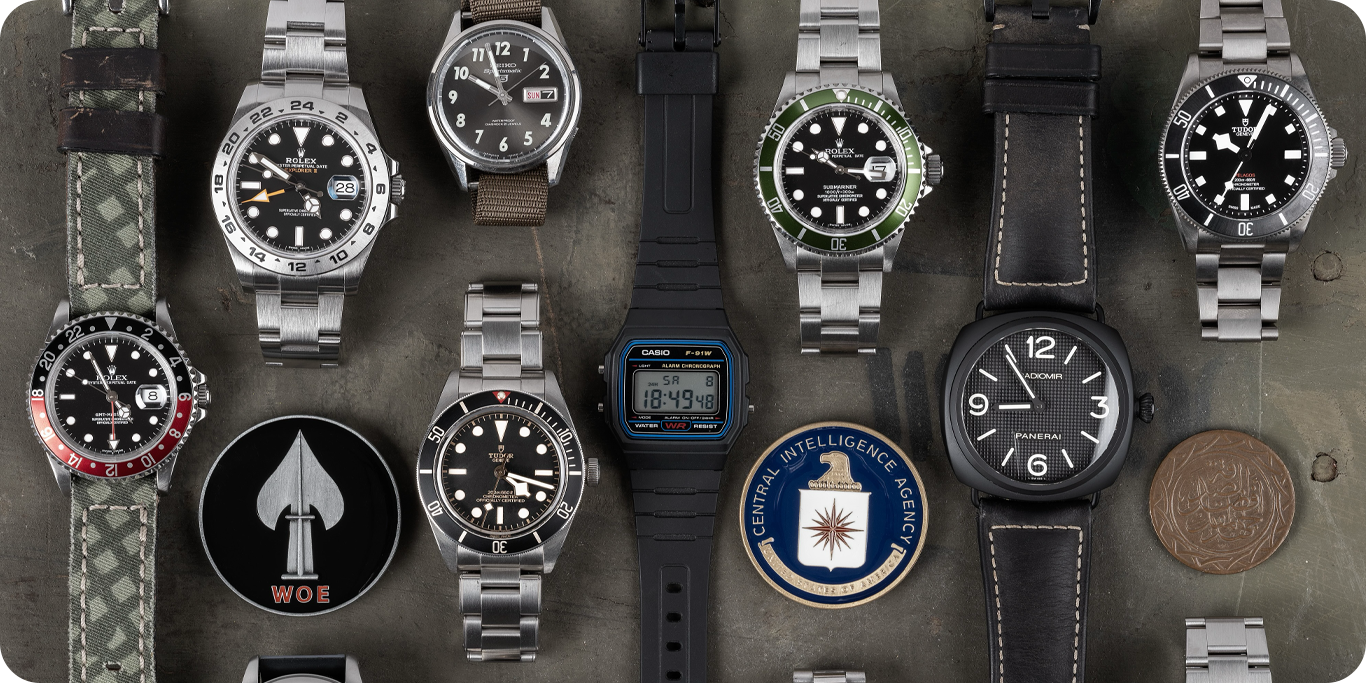
IW: Aside from your issued pieces, are there any specific watches in your collection that you consider future heirlooms?
WOE: Every watch I own is an heirloom. That may sound hyperbolic, but it is how I feel. Some of my watches have cool stories, whether it's the Panerai I wore during a coup in Africa or the Breitling Aerospace that was a gift from the King of Jordan. But they are no more or less important to me than the ones I wear in my post-government life at business meetings or driving kids to their soccer games. Their value isn’t tied to the name on the dial or the price I paid, but the experiences they embody. All of my watches will be passed down to my children.
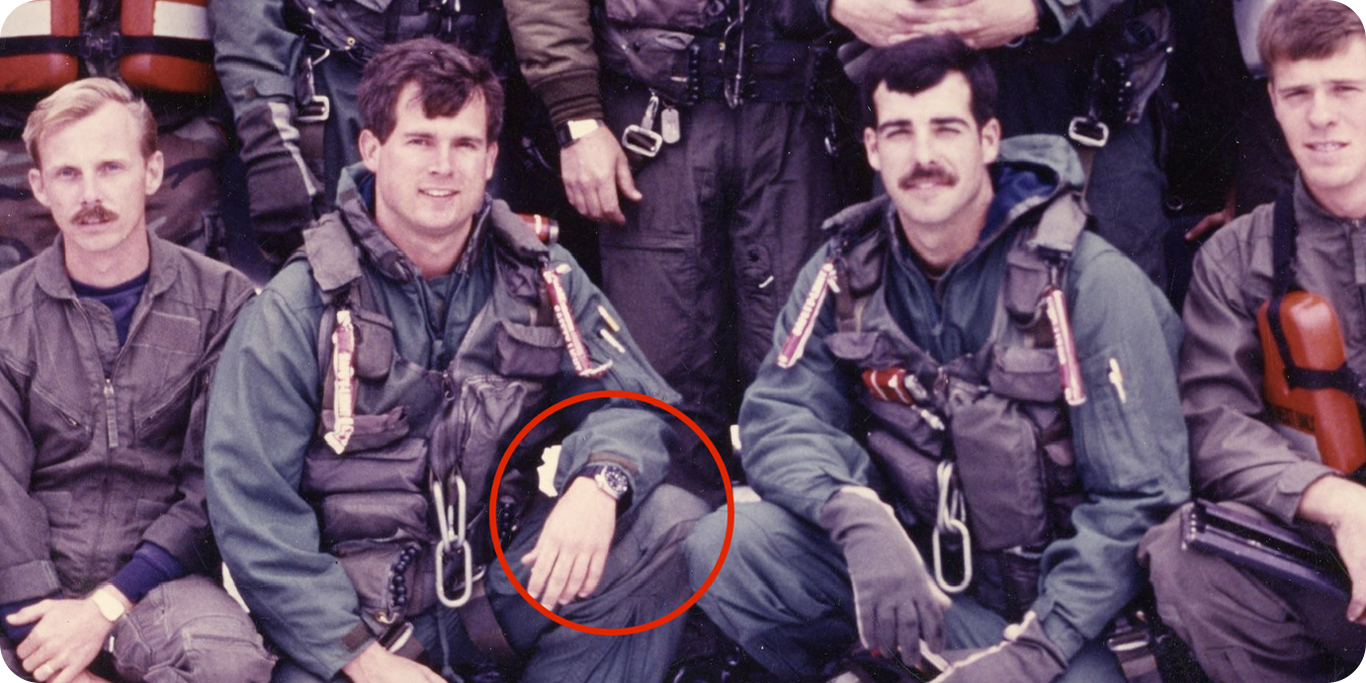
IW: How do you decide which stories are worth telling, and how much context is enough, without tipping into fantasy or oversimplification?
WOE: Our content is driven by what interests us. Of course, we do some pieces like “watch buying guides”, but most of our content covers topics that we find interesting. Additionally, we often receive tips from the community where people approach us with specific stories they want told about their unit or colleague. Generally, these individuals are not seeking fame or “clout” and are simply proud of their service and heritage.
Lastly, watches are our prism for viewing current events and history. A few weeks ago, when the United States conducted Operation Absolute Resolve and unilaterally arrested Venezuelan President Nicolás Maduro, we did a piece on his rather unique and expensive watch collection. When Navy SEAL-turned astronaut Jonny Kim returned to Earth from the International Space Station with two Omega unit watches on his wrists, we covered it.
We have quickly learned that when a significant event happens, there is often a watch involved. Identifying and discussing those instances is at the core of who we are.
IW: What do you hope someone walks away with after spending time with Watches of Espionage?
WOE: We are a business with an e-commerce platform of watch straps and accessories, but we use that money to fund our content, videos, and long-form articles. Our altruistic motivation is twofold: for those in the community, i.e., military, law enforcement, and intelligence officers, we hope to inspire and inform the next generation and to preserve watch culture.
For those on the outside, we hope to continue to be a voice for our community, to tell our story in a meaningful and respectful manner.
Have someone in mind that you'd like to see featured? Interested in submitting a story of your own? Reach out to us at editorial@getbezel.com.
- Isaac Wingold
Bezel is the top-rated marketplace for buying and selling luxury watches. We give you access to tens of thousands of the most collectible watches from the world's top professional sellers and private collectors. Every watch sold goes through our industry-leading in-house authentication process, so you can buy, sell, and bid with confidence.
Download the Bezel app on the iOS App Store or start searching for your next watch today at getbezel.com.
Bezel is available to download on the App Store now. Please reach out to our concierge team if there is anything we can help you with!

©2026 Bezel Inc.
All rights reserved.