
Erika Ratini, better known to her audience as @watchmissgmt, reflects on ten years of deliberate collecting, what draws her to independent watchmakers like Naoya Hida, and why the people behind the watches matter as much as the watches themselves.

Erika Ratini has been collecting for about ten years, most of it quietly. Long before @watchmissgmt existed, she was a food scientist picking up vintage Seikos and Casios, building a collection one purchase at a time rather than chasing releases. The pace only picked up once she started showing up to events and meeting the people behind the brands she liked. That's when watches stopped being just objects and started pointing toward specific people, places, and stories–a shift that eventually pulled her toward independent watchmaking with a Naoya Hida piece she's still finding new details in after a year of ownership, and a Rexhep Rexhepi RRCCII she considers her grail.
She brings the same lens to watches that she brings to her day job, evaluating brands the way she'd evaluate any heritage food company: on longevity, how they communicate, and the community they build. In this edition of Come Collect, she talks about what pulled her past a slow, secondhand-market start, why a hand-engraved dial from a little-known Japanese maker means more to her than most, and why a beat-up Casio still earns wrist time next to a grail-tier piece.
Isaac Wingold: Let's start at the beginning. When you think back to becoming interested in watches, what do you think was actually pulling you in? Was it the objects, the stories, the people wearing them?
Erika Ratini: I've been collecting for about ten years now, long before I started making content. It was a slow dabble at first, picking up vintage Seikos and Casios here and there before moving into well-known mainstream brands like Rolex and Tudor. It wasn't a rush into it like you sometimes see today, where someone's been collecting for six months and suddenly has fifty watches. For me, it was a much slower build.
What really pulled me in deeper was gifting a watch to someone significant in my life. It was a meaningful, memorable moment for us, and it's what got me thinking about watches beyond function, more on the luxury side of things. But what really took off for me was getting into the community. Once I started going to events and getting exposed to other brands and complications, and hearing the stories behind them, that's when it really catapulted. The people are what kept me collecting. The objects become way more interesting once you know the people behind them.
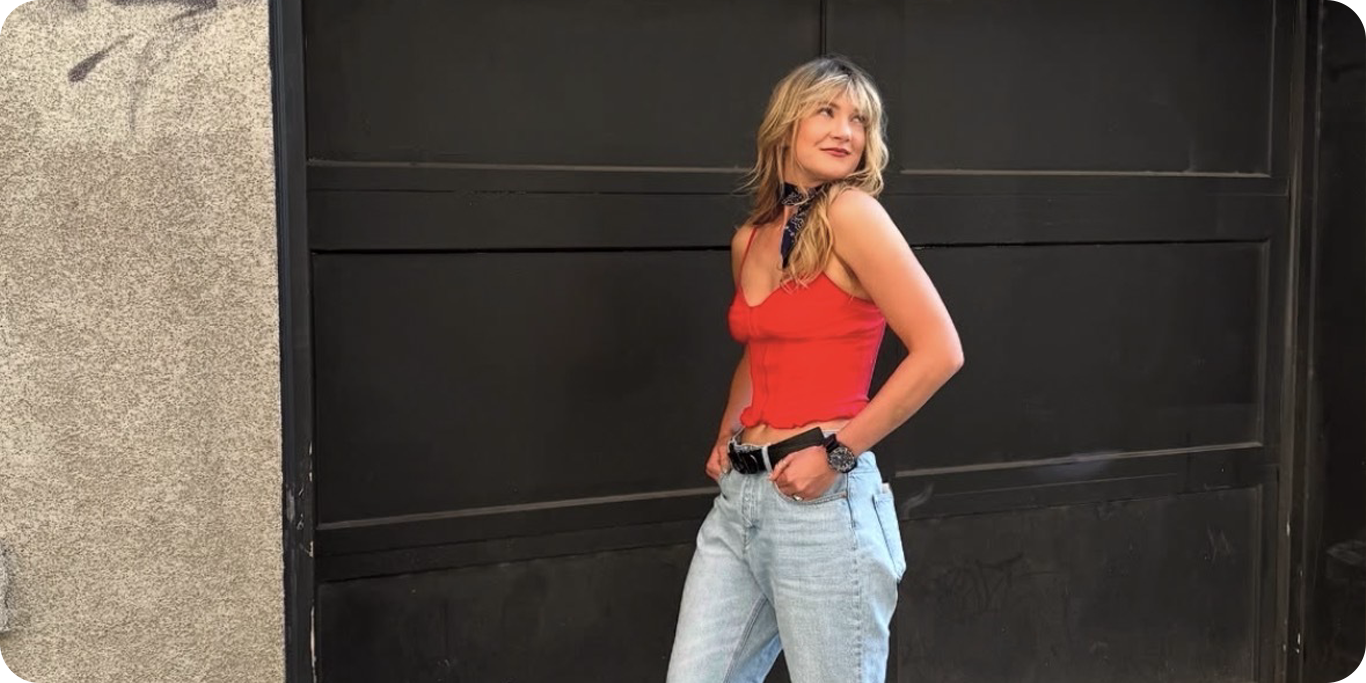
IW: I heard of your background as a food scientist. That's not something you hear about often in the watch world. Has that way of thinking bled into how you collect?
ER: Absolutely, it would be hard for it not to, similar to how an artist looks at watches differently than someone else would. That's what makes this industry so beautiful; everyone has such a unique and diverse background, which makes it more exciting than almost any other hobby. In the food science world, when I go to a convention, everyone's talking about the same thing. The watch community is the complete opposite. At every event, you meet someone and think, you do what?
I work with a lot of iconic heritage brands and large CPGs, so I'm used to thinking about branding, how companies communicate to consumers, and how trends and demand shift over time. I understand manufacturing and supply chain from that side too, and while there are obviously nuances, it's very similar at the end of the day. So when I look at a watch brand, I'm thinking about longevity, how they communicate, what kind of community they're building. I've been in an industry long enough to see what makes a brand and what breaks one, and that shapes how I curate my own collection.
I always compare it to eating a meal alone versus eating as a group. Eating alone gets the job done; you enjoy your sandwich, and it's over. But eating with people, celebrating something, trying new things, those are the meals you remember. Watch collecting is the same. It's better shared.
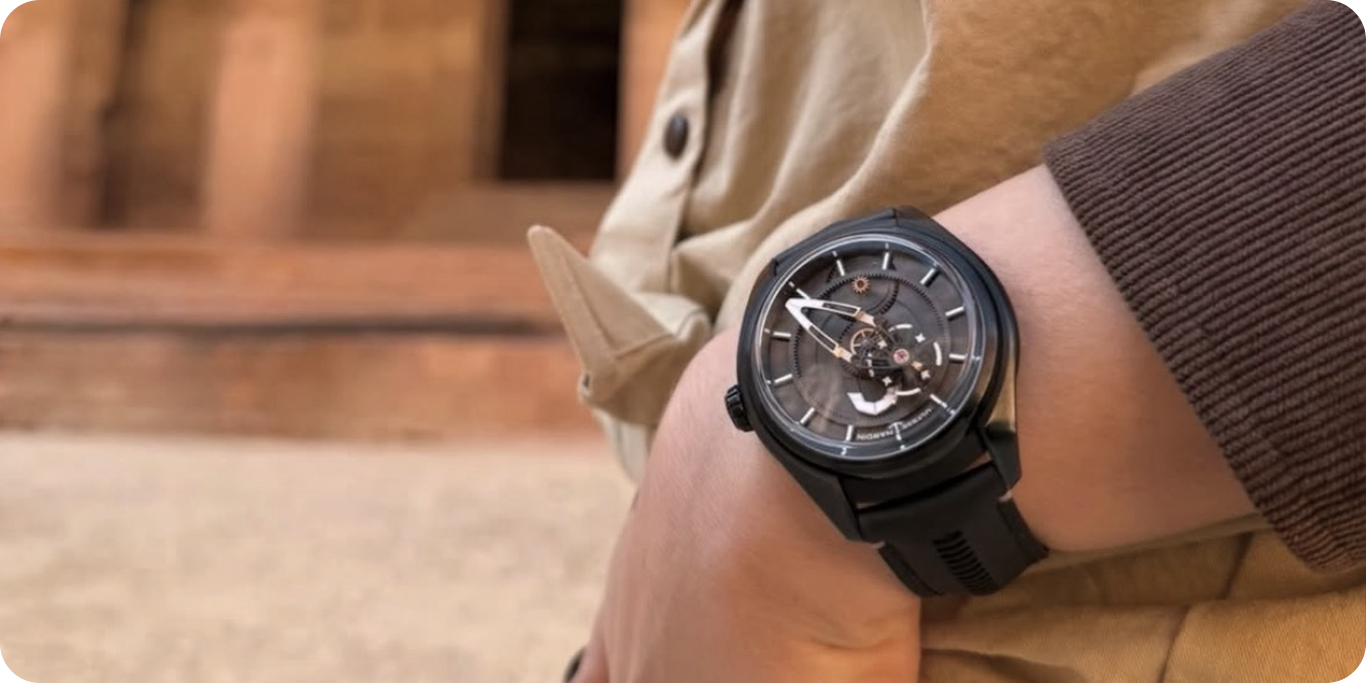
IW: Has meeting the people behind certain brands ever changed your relationship with the brand or the watches themselves?
ER: Definitely. Getting more intimate with a brand and the people behind it, whether that's at a community event or a trade show, changes how I see it. How the people at a brand talk about it, how they carry themselves and relate to the community, shapes my perspective, for better or worse. That's really what does it for me, the community aspect of a brand.
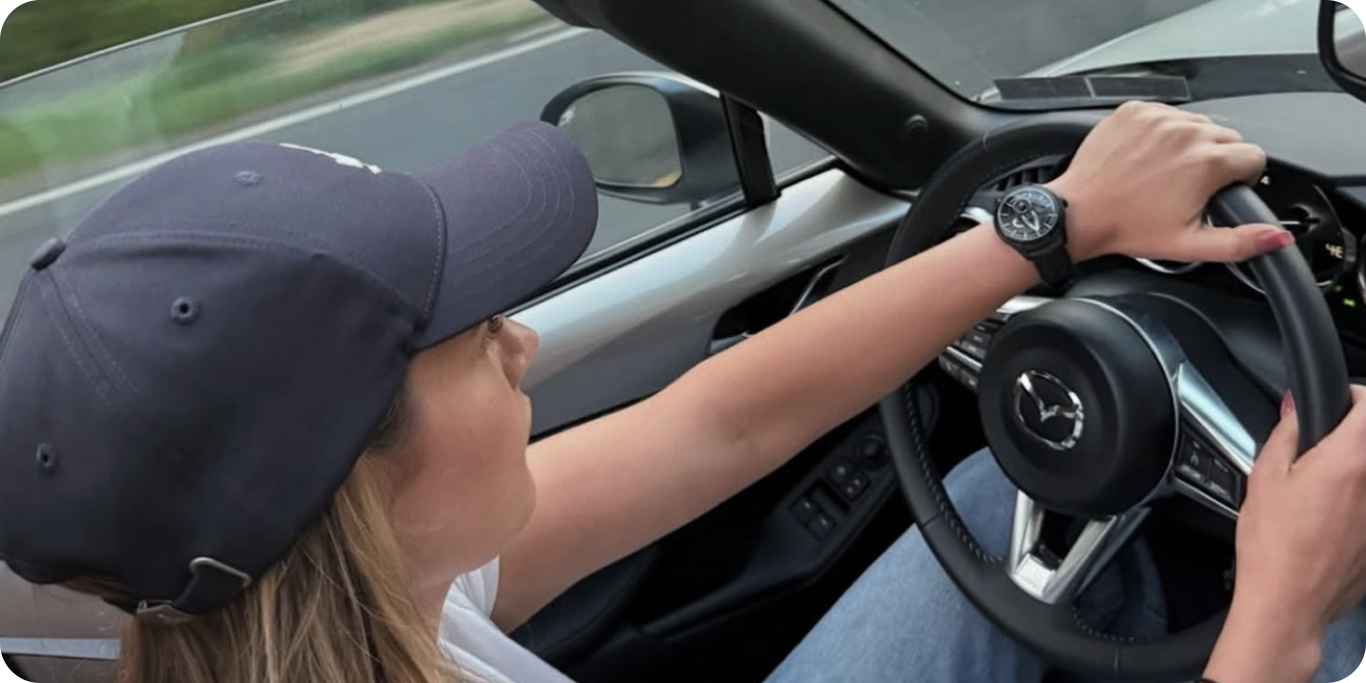
IW: You spend a lot of time introducing your audience to smaller, independent brands. What do you think they're doing well in terms of making people feel connected to what they're building?
ER: I think it comes down to the community they foster, and how they communicate with the people who are interested in their watch, and staying true to their craft and brand identity. Some of the smaller independents have incredible stories to tell, and that's what gets people excited to collect or share about them; it's personal, it's relatable, in a way the bigger, more recognizable names sometimes aren't.
Even if you're not a watch person, you know names like Rolex, Cartier, or Omega. You can probably picture an iconic model. But because they're so well known and recognizable, sometimes they read more as a status symbol than as a true representation of you. As you get further into the hobby, you start gravitating toward brands that reflect your own values, or have a story or place of origin that means something to you.
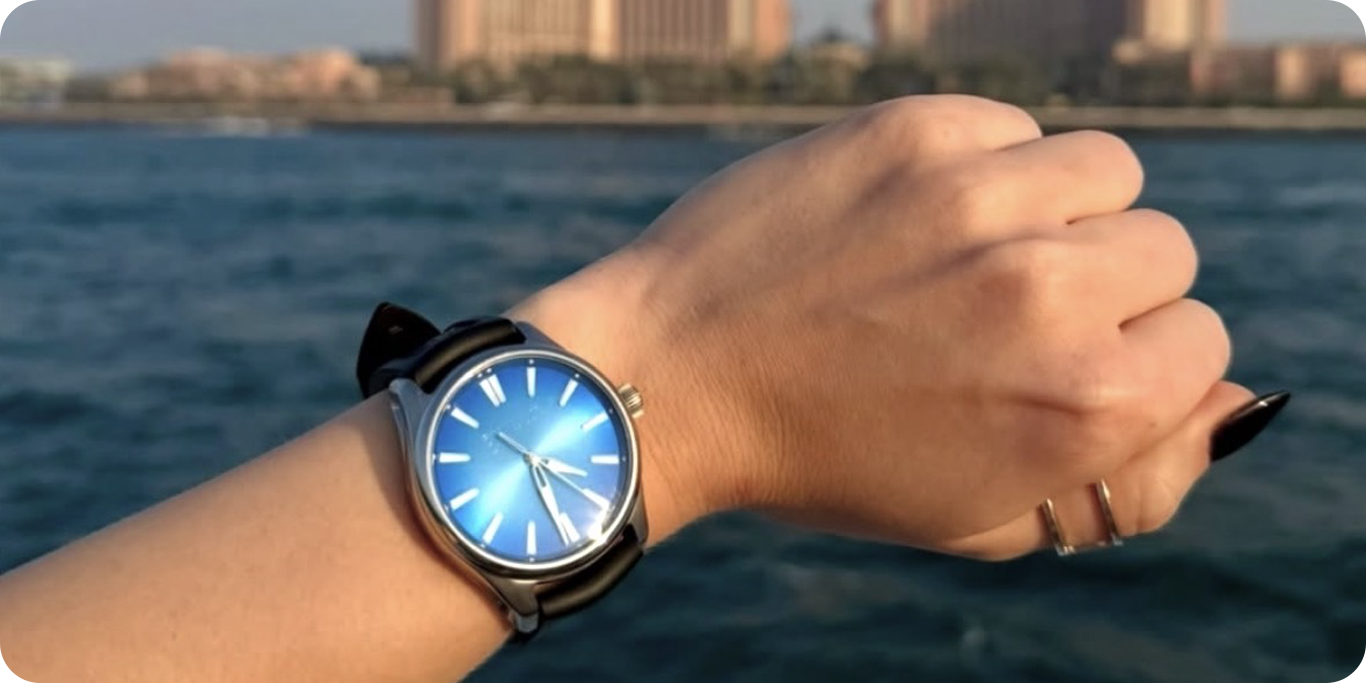
That's part of why I love my Naoya Hida so much. It reminds me of Tokyo, one of my favorite cities in the world. Every time I look at my wrist, it's a bit of a trip down memory lane. I think a lot of people relate to watches that way.
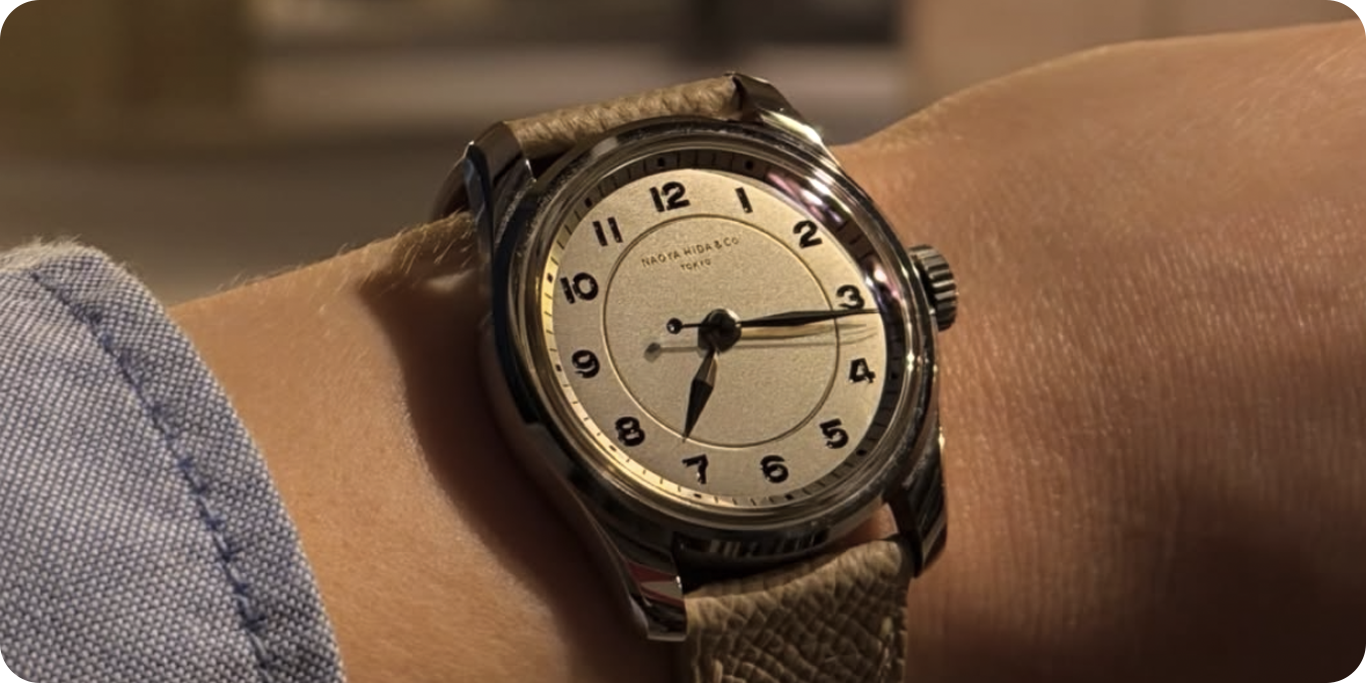
IW: Speaking of Naoya Hida, I remember seeing you post about the brand well before most people were talking about it. What drew you to it?
ER: My technical background has always made me pay more attention to how something is made and why it's special, and that's carried over into how I look at independent brands. With Naoya Hida specifically, it was the craftsmanship, his vision for the brand, and, of course, the aesthetics of the watches themselves. Hida-san’s ability to reinterpret vintage design cues through a modern lens is second to none. Each dial is also hand-engraved, which I got the chance to witness in person. It's one sole person touching every single dial. That kind of craftsmanship is beautiful, and I wanted a piece of it.
I also think back to when I was newer to the community, and people were so excited to share the brands they loved. It was a learning opportunity, and seeing someone that passionate about something is contagious. I wanted to pay that forward with my own audience.

IW: You've become someone a lot of newer collectors look to. Has having that audience changed the way you collect or talk about watches?
ER: My audience is pretty global, which is one of the coolest parts of this community. Even when I travel, there's usually a dinner or a meetup I can join or help put together. I'm always learning on the go, and I think that's the best part; my community isn't really localized to one city. New York is a big part of it, but it stretches globally. Since I sought out mentorship and connection when I first started collecting, I’m always eager to return the favor by guiding others as they find their way in this space.
IW: You've spent a lot of time seeing watches in the places they're made and meeting the people behind them. What has travel taught you about collecting that you don't think you'd have picked up experiencing it only online?
ER: Getting to travel for this has been a huge privilege, and it's made watch collecting feel a lot more personal to me. It’s definitely not something I take for granted! I've always wanted to share with people who might not get the chance to see it for themselves; seeing the manufacturing side behind the scenes, understanding how watchmaking differs from region to region, gives you a much deeper appreciation than just knowing a brand name. I try to bring my audience along with me when I'm at an event or a manufacture, or somewhere like Watches and Wonders, because it shows people a side of the industry they might not otherwise get to see.
IW: Looking back at your collection at the beginning, the midpoint, and today, what do you think it said about you at each stage?
ER: At the beginning, it was eclectic and exciting. I was chasing new releases or things I'd just learned about, and the hunt/unknown itself was exciting. At the midpoint, I hit a point where I had a lot of watches I hadn't worn in months and didn't even know if I still liked it. That's when I had to get more conscientious; I couldn't just buy everything I liked and saw. I had to think harder about whether it was a watch I just admired and appreciated, or a watch that I truly needed to have in my collection.
Now, it's a lot more curated. I've been adding pieces that are more unique and more meaningful to me as a person, things that reflect my actual interests and the people who share those interests rather than just, “this is a cool watch.”
IW: Which piece in your collection are you most excited about right now?
ER: My Naoya Hida, still. Every time I wear it, I notice a new detail I hadn't before, even after having it more than a year. I think about the craftsmanship, how nothing goes unnoticed even in its quiet details. There's a real bond that comes from noticing something most people wouldn't. I love the feel of the manual winding, how tactile it is, the sound of the click. It's a genuine connection.
IW: Social media can flatten everything into a wrist shot. How do you try to communicate what a watch actually feels like through a screen?
ER: I try to capture watches in the context they're meant for, whether that's something adventurous or just a Submariner at the beach. It's not exactly groundbreaking, but it paints the picture that the watch belongs there, and that the lifestyle around it belongs in my life too. Being able to talk about a watch and also show it lets me convey the emotion and intention behind it in a way words alone can't. It enables viewers to envision themselves in that very situation or feel inspired by it!

IW: On that note, how do you think about the more mass-produced, utilitarian watches in your collection?
ER: They play a bigger role than people give them credit for. A Submariner is probably one of the most useful, wearable watches out there for a multitude of reasons because of its ability to display elapsed time! It’s super useful in daily life! Tudor also makes great shareable watches for guys and girls with their 39 mm Black Bay 58 GMT or 39 mm Pelagos. I’ve found 39 mm to be a sweet spot that fits perfectly on men and women! These are probably two of my most worn complications!
IW: It's the white T-shirt of watches.
ER: Exactly, it just works in almost any situation; you don't have to think too hard about it. I think those pieces do a lot of heavy lifting we don't appreciate enough; they're the workhorses of a collection. On the travel side especially, I don't want to be wearing a Rolex somewhere that draws the wrong kind of attention. So I'll wear things like a Casio or a Timex, the watches that got me into this in the first place. I've done some pretty crazy adventures, sailing, racing, that kind of thing, so I don't want something more special getting banged around or lost along the way.
IW: What's your grail watch right now?
ER: Definitely a Rexhep Rexhepi RRCCII. It's more about the craftsmanship for me, and honestly it's probably going to be a tough one to add to the collection one day.
IW: If someone is brand new to watches and doesn't even know how to pronounce Rexhepi's name, what advice would you give them?
ER: Education, honestly. That's what got me deep into it early on. I remember gifting that first watch and not even knowing how to describe it; I didn't know the jargon. It's easy to want to jump into an event or meetup right away, and there are definitely people at those events who go deep into detail fast, which can be intimidating. I'd say learn as much as you can first; there are so many tools out there: articles, social media, YouTube, podcasts. Get a little bit of the terminology under your belt before diving into events. And once you're there, it's fine to just say you're new. Most collectors want to talk about the watches they have and love, and you'll learn a lot more by letting them tell you about their watch.
Have someone in mind that you'd like to see featured? Interested in submitting a story of your own? Reach out to us at editorial@getbezel.com.
- Isaac Wingold
Bezel is the top-rated marketplace for buying and selling luxury watches. We give you access to tens of thousands of the most collectible watches from the world's top professional sellers and private collectors. Every watch sold goes through our industry-leading in-house authentication process, so you can buy, sell, and bid with confidence.
Download the Bezel app on the iOS App Store or start searching for your next watch today at getbezel.com.
Bezel is available to download on the App Store now. Please reach out to our concierge team if there is anything we can help you with!

©2026 Bezel Inc.
All rights reserved.