
Explore the world of independent watchmaking, from F.P. Journe and De Bethune to MB&F and Laurent Ferrier, and discover why the best independent watchmakers offer something beyond tradition: authorship, risk, and a distinct point of view.
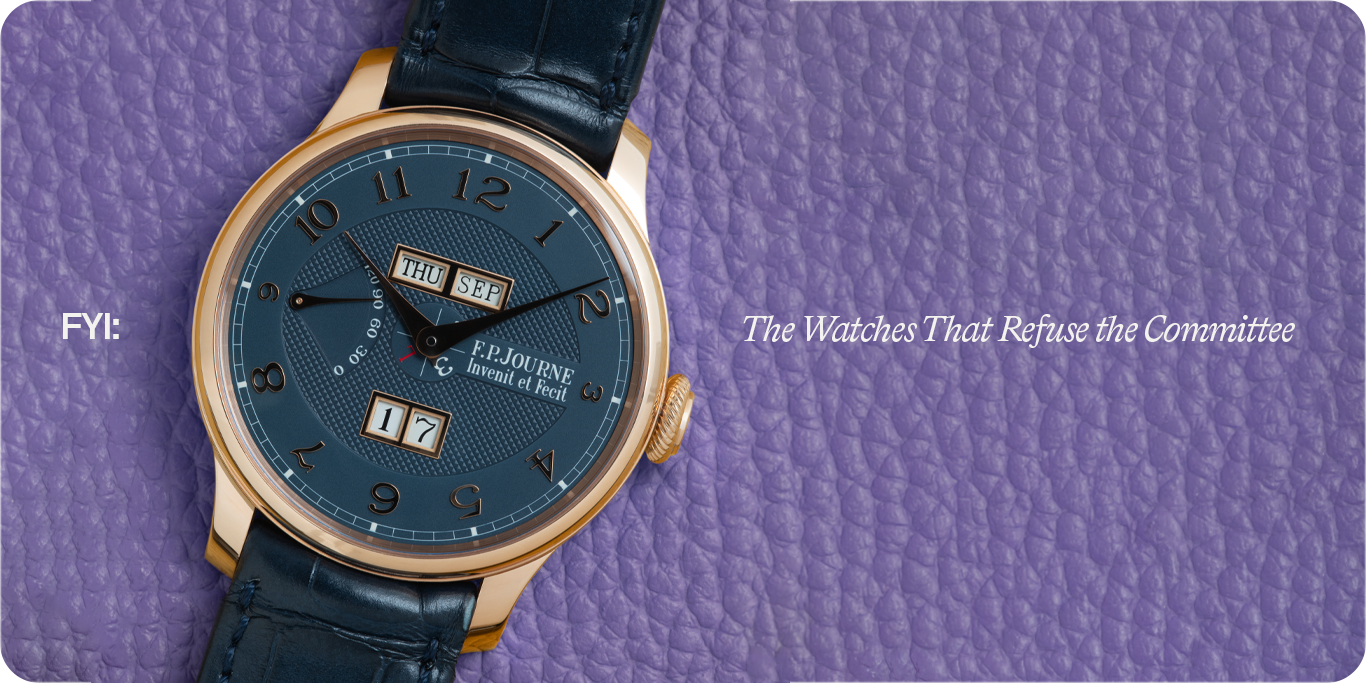
The easiest way to define independent watchmaking is by what it’s not. Not part of a luxury conglomerate. Not designed to sit neatly inside a global product pyramid. Not built, at least in theory, around the softened edges and strategic caution that come with answering to committees, shareholders, regional forecasts, and brand architecture decks.
That definition is useful, but only up to a point. Independence is not an automatic virtue. Smallness is not a substitute for taste. A watch doesn’t become interesting simply because fewer people were involved in making it, just as a brand doesn’t become soulless the moment it’s acquired by a larger conglomerate. After all, some of the greatest watches in the world come from institutions with enormous resources behind them.
The difference is more subtle than that. What makes the best independent watches matter is that the author is still visible.
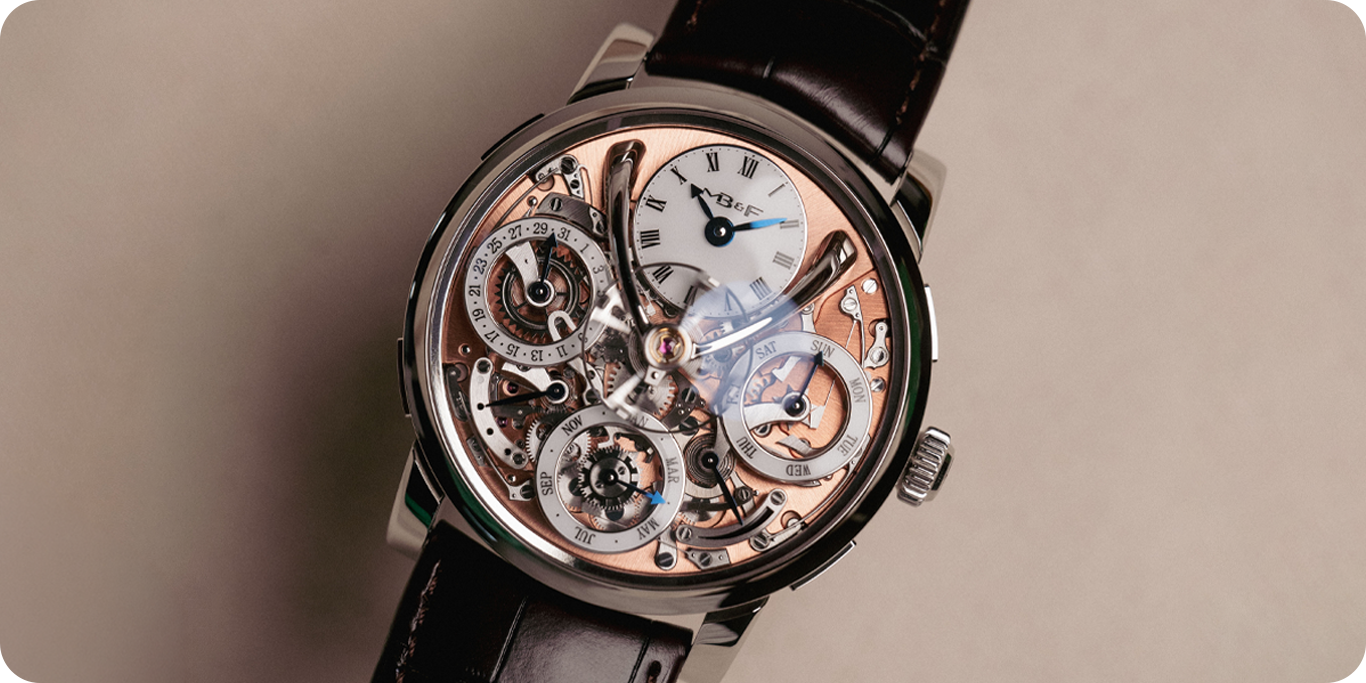
You can feel it in the decisions that would probably have been edited out elsewhere. The dial that’s too empty for some people and exactly bare enough for others. The movement architecture that solves a problem nobody in a focus group would’ve asked to solve. The case shape that refuses to disappear under the cuff. The finishing that rewards inspection at a distance of three inches rather than three feet. The complication that exists not because the market demanded another one, but because the watchmaker couldn’t let the idea go.
This is where independent watchmaking becomes more than a segment of the market. It becomes a point of view.
In the conglomerate world, scale creates a certain kind of excellence. There’s stability, consistency, industrial depth, after-sales infrastructure, and a level of polish that only serious resources can provide. Those things matter. They’re part of why the biggest names remain the biggest names. But scale also has a way of smoothing a watch into acceptability. The goal, more often than not, is to protect the icon, preserve the line, and avoid alienating the broadest possible collector base.
Independent watchmaking works under a different pressure. The risk is closer to the surface. The watchmaker, founder, or creative mind behind the brand has fewer places to hide. When an F.P. Journe succeeds, it succeeds with Journe’s fingerprints all over it. When a De Bethune feels futuristic, it’s not because it’s applied a contemporary gloss to a traditional form. It’s because the brand has spent years building an entire visual and technical language around the idea that watchmaking doesn’t have to live permanently in the past. When MB&F, Urwerk, or Ressence changes the way time is displayed, the result isn’t simply a different watch. It’s a different grammar.
That is the appeal. Not novelty for its own sake, but authorship.
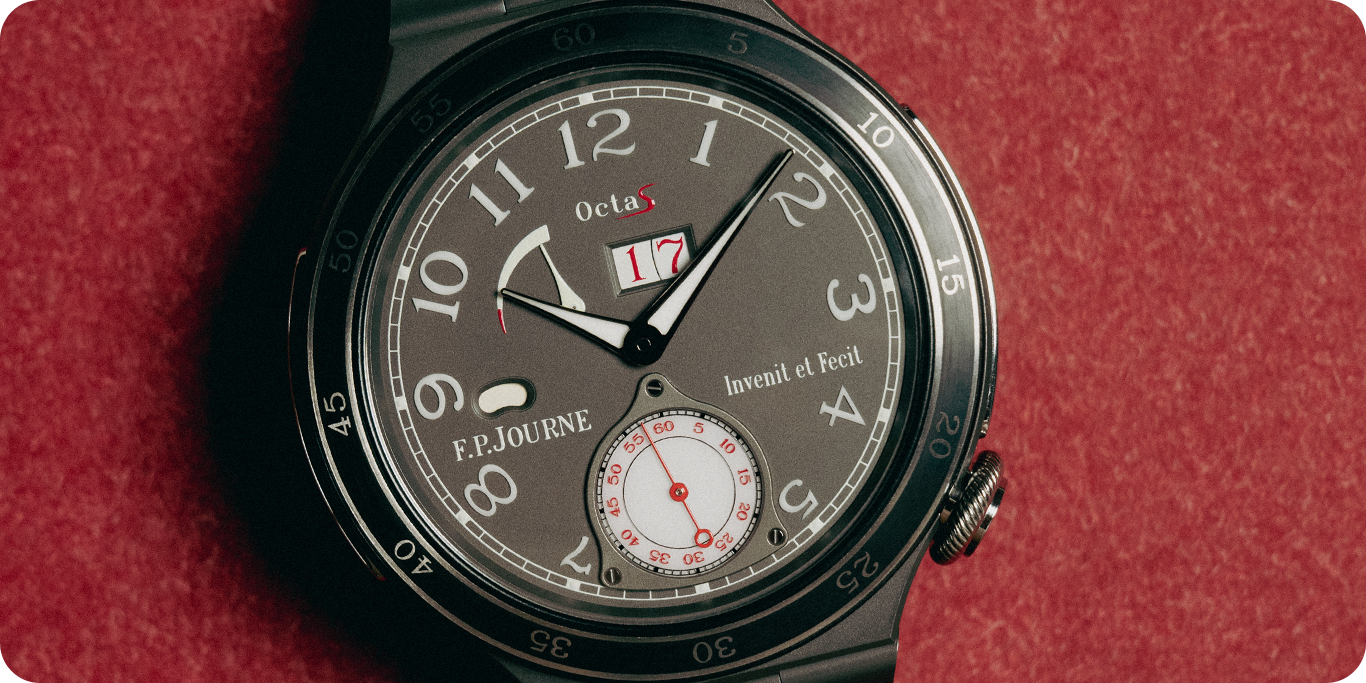
Of course, authorship cuts both ways. Independent watches are romantic because they feel personal, but the market can be brutally impersonal. Collectors may talk about craft, rarity, and vision, but liquidity still matters. Recognition still matters. A brilliant idea from an obscure maker doesn’t behave the same way in the market as a recognizable reference from F.P. Journe, H. Moser & Cie., De Bethune, or Laurent Ferrier. Independence gives a brand freedom, but it doesn’t exempt it from scrutiny.
In fact, it may invite more of it.
That tension is what makes the category so interesting right now. Independent watchmaking has never had more cultural capital. Collectors are more fluent than ever in movement architecture, finishing techniques, production numbers, and founder stories. The old idea that prestige could only flow from the largest heritage houses has been thoroughly complicated. A serious collection today can include a Lange, a Patek, or a Cartier alongside a Journe, a Moser, a Parmigiani, a De Bethune, or a Ressence without any sense that one world invalidates the other.
But the best independent watches do something the icons cannot always do. They make the collector choose more personally.
A Submariner, a Royal Oak, a Nautilus, or a Speedmaster carries an enormous amount of shared meaning. The object arrives with history already attached. An independent watch often asks for something different. It asks the collector to respond to an idea before that idea has been fully ratified by consensus. Do you believe in the restraint of Laurent Ferrier? The irreverence of Moser? The blue titanium futurism of De Bethune? The philosophical minimalism of Ressence? The kinetic theatre of MB&F? The mechanical provocation of Urwerk? The almost stubborn classicism of an early Parmigiani?
None of those watches is trying to be neutral, and that’s exactly the point.
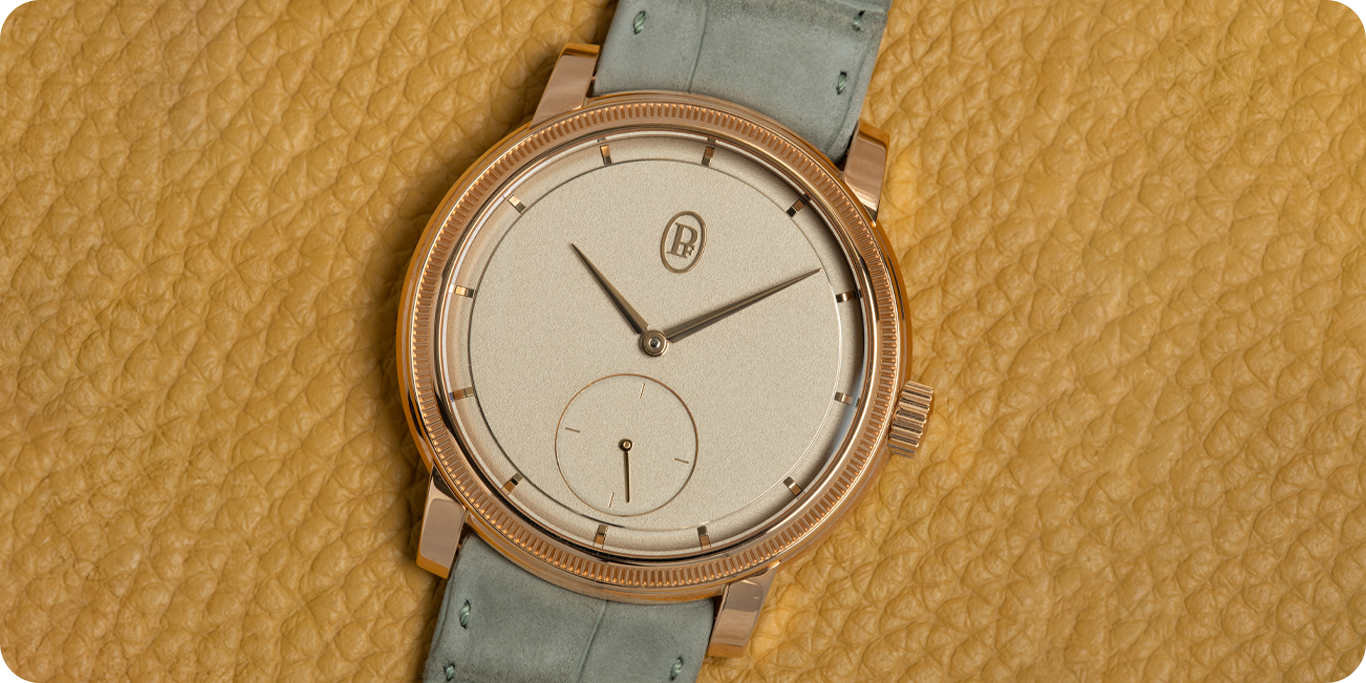
Laurent Ferrier may be the clearest example of independence expressed through restraint rather than spectacle. The watches aren’t loud, and they’re not trying to win the room at first glance. Their appeal is slower: the curve of a case, the softness of a dial, the quiet confidence of proportions that look simple until you try to improve them. It’s independent watchmaking without obvious rebellion, proof that freedom doesn’t always have to announce itself.
Moser sits somewhere else entirely. It understands classic watchmaking, but it also understands that the Swiss industry can take itself perhaps too seriously. The brand’s best watches use minimalism, color, and a kind of deadpan humor to cut through the stiffness. A fumé dial, a logo-less Concept execution, or a Streamliner with its fluid integrated case and bracelet can feel playful and serious at the same time. That balance is difficult to manufacture by committee.
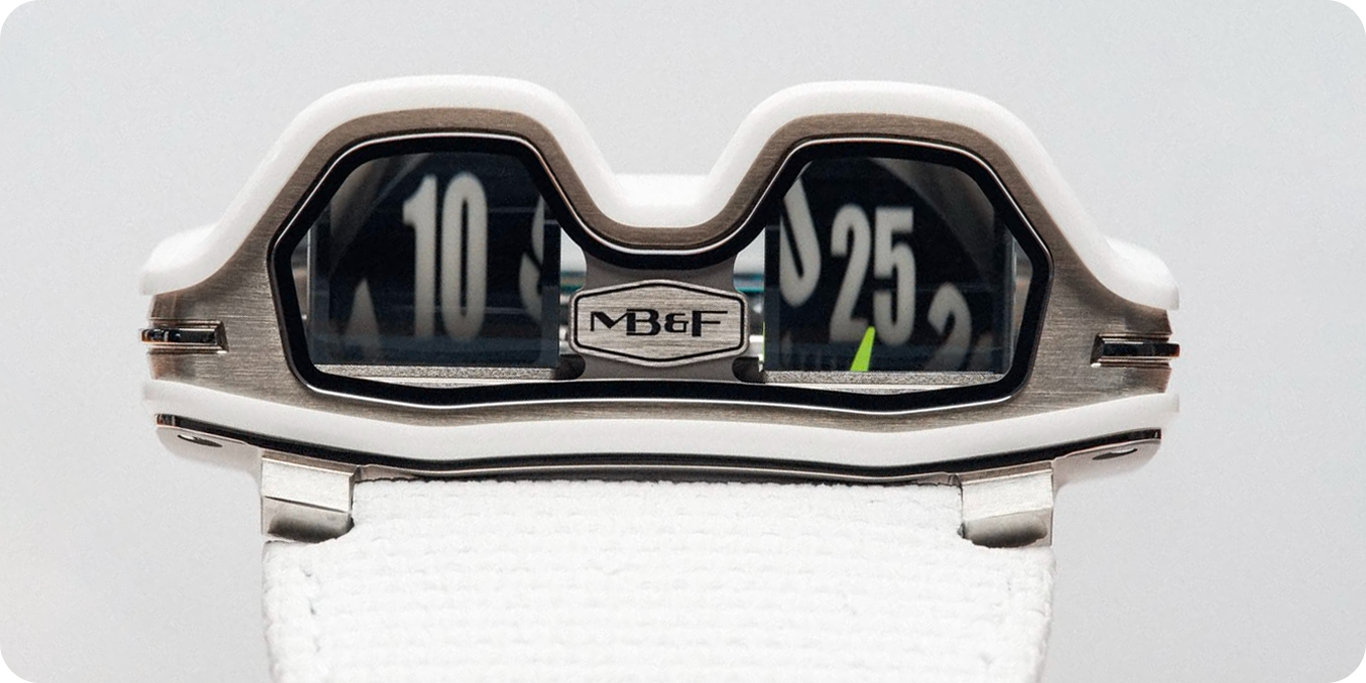
Then there are the brands that make independence feel almost architectural. De Bethune’s watches look as though they have been reverse-engineered from a future version of watchmaking, all floating lugs, mirror-polished titanium, spherical moons, and starry expanses of blue. MB&F turns the wristwatch into kinetic sculpture, building machines that often seem closer to mechanical companions than conventional timekeepers. Urwerk takes the basic act of telling time and gives it a science-fiction accent. Ressence removes the hands, or at least our usual understanding of them, and replaces them with an orbital display that feels less like reading a dial and more like watching time move.
What unites these brands is not aesthetics. They don’t look alike. They don’t solve the same problems. They don’t flatter the same kind of collector. Their shared quality is the sense that each watch has been argued into existence.
That is why independent watchmaking resists being treated as a single style. It’s a spectrum of refusals. A refusal to scale too far. A refusal to let heritage become the only acceptable language of seriousness. A refusal to sand down the strange parts. A refusal, at its best, to mistake market safety for good taste.
And yet the market remains part of the story. That is especially clear on a platform like Bezel, where these watches aren’t being discussed in the abstract. They’re not just objects of admiration in a manufacture’s press image or a collector’s Instagram post. They’re real watches, trading in the real world, with all the discipline that implies. The romance of independence meets the clarity of availability, condition, provenance, price, and demand.
That makes the category more honest, not less.
The best independent watches don’t offer an escape from the watch industry. They offer a more exposed version. The decisions are clearer. The risks are harder to hide. The maker feels closer. In a market still shaped by icons, waitlists, and institutional prestige, independent watchmaking asks a more revealing question.
Not simply: what watch do you want to own?
But whose idea of watchmaking do you actually believe in?
Bezel is the top-rated marketplace for buying and selling luxury watches. We give you access to tens of thousands of the most collectible watches from the world's top professional sellers and private collectors. Every watch sold goes through our industry-leading in-house authentication process, so you can buy, sell, and bid with confidence.
Download the Bezel app on the iOS App Store or start searching for your next watch today at getbezel.com.
Bezel is available to download on the App Store now. Please reach out to our concierge team if there is anything we can help you with!

©2026 Bezel Inc.
All rights reserved.