
The psychology of watch collecting, from research and rarity to upgrading, trading, and regret, and why the real keeper rarely survives scrutiny.
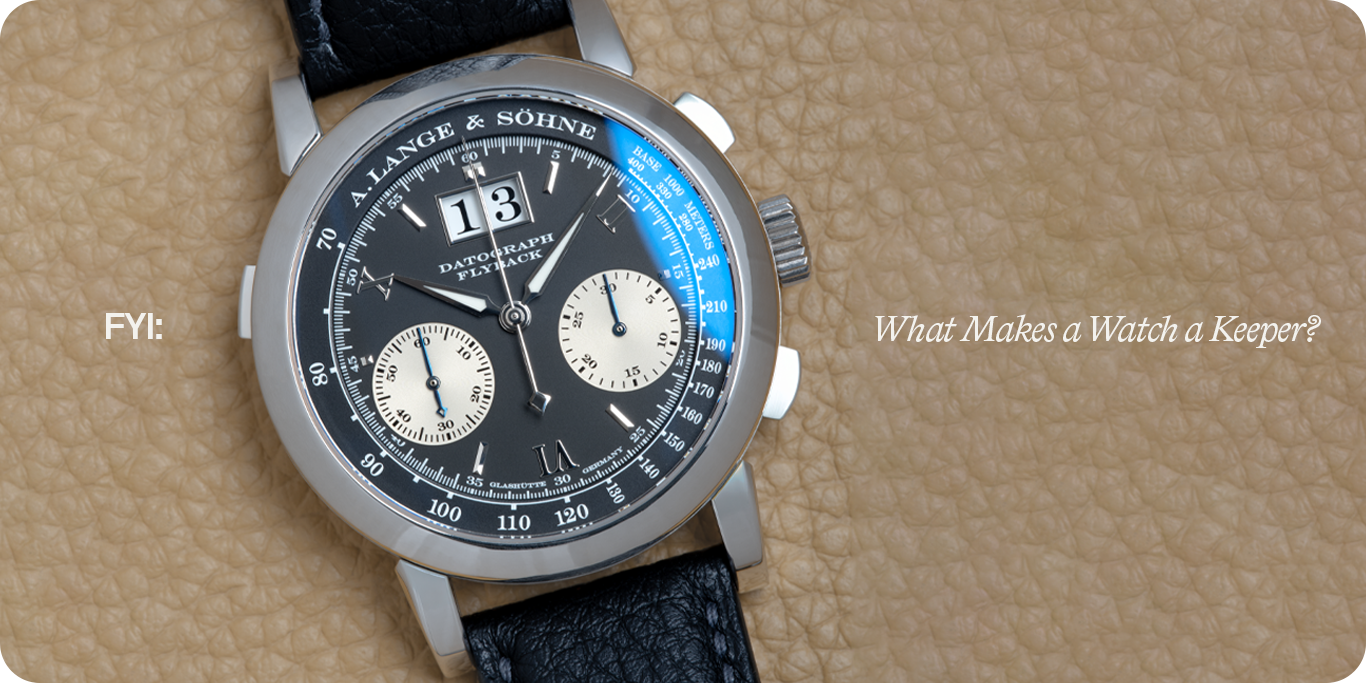
At some point in every watch purchase, desire starts calling itself research.
The tabs multiply. You check an auction result, then check it again. You dig up a forum thread from years ago to settle some argument about lug holes or a dial variant. You zoom into a dealer’s photos until the file falls apart. A month earlier, you had no real opinion about the reference, and now you can explain why the earlier dial sits better, why the case has to be unpolished, why the service hands are a quiet disappointment, and why this example, at this price, makes sense rather than mischief.
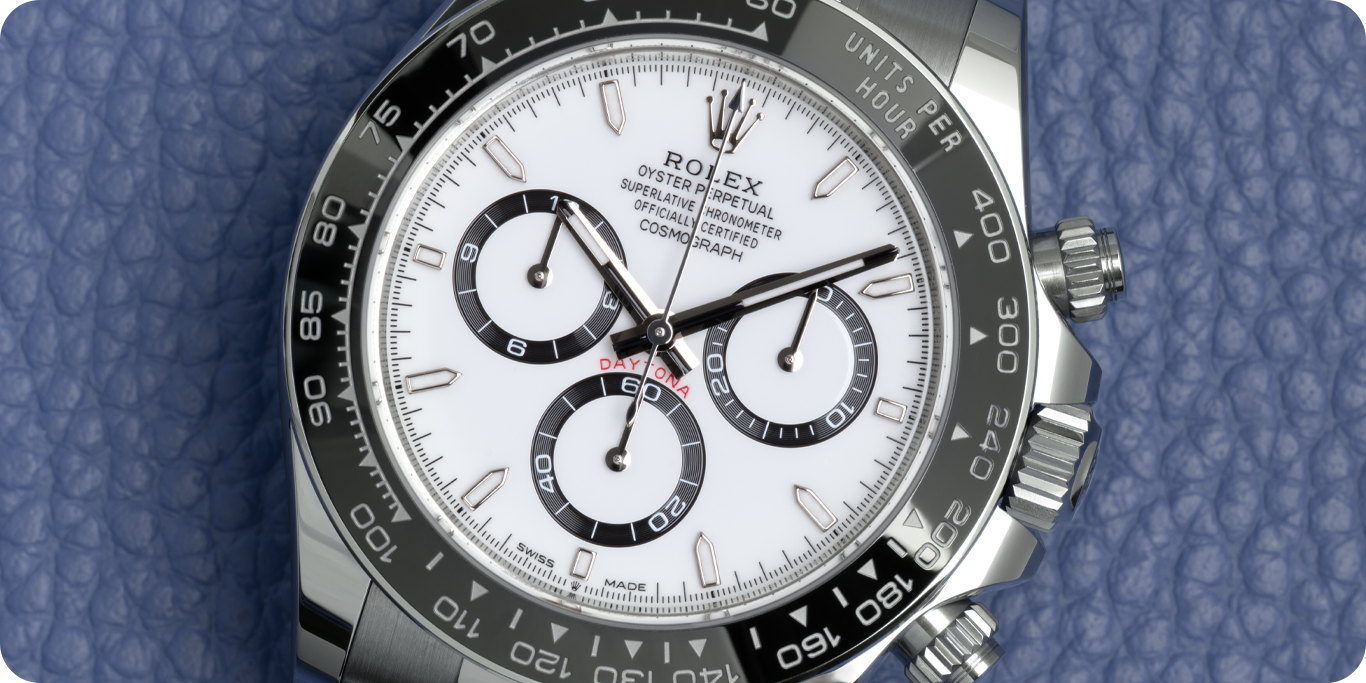
This is one of the stranger pleasures of the hobby. Watches give longing a vocabulary. A millimeter matters. So does a serif, a lume plot, a clasp profile, a caseback engraving, a production year, and a missing box. The more you learn, the narrower the wanting gets. You start out wanting a watch. Then you want the right one, then the right version of the right one, then the right example of the right version, until you have talked yourself into a search so specific that maybe three of them exist in the condition you have decided you need.
Collecting is not a straight line toward better watches. It is a loop. Attraction leads to research, research to acquisition, acquisition to second-guessing, second-guessing to a trade, the trade to regret, and regret, with luck, to something like refinement. None of this is a malfunction. It might just be the rhythm of the thing. Watches invite overthinking because they reward it.
For a lot of people the best part happens before the watch arrives, while it is still hypothetical and therefore flawless. In the imagined collection everything has its slot: the daily beater, the travel watch, the dress piece, the chronograph, the vintage one, the weird independent one, and the sleeper nobody else clocks. On the spreadsheet the box is orderly. The actual box, the one on your dresser, never is.
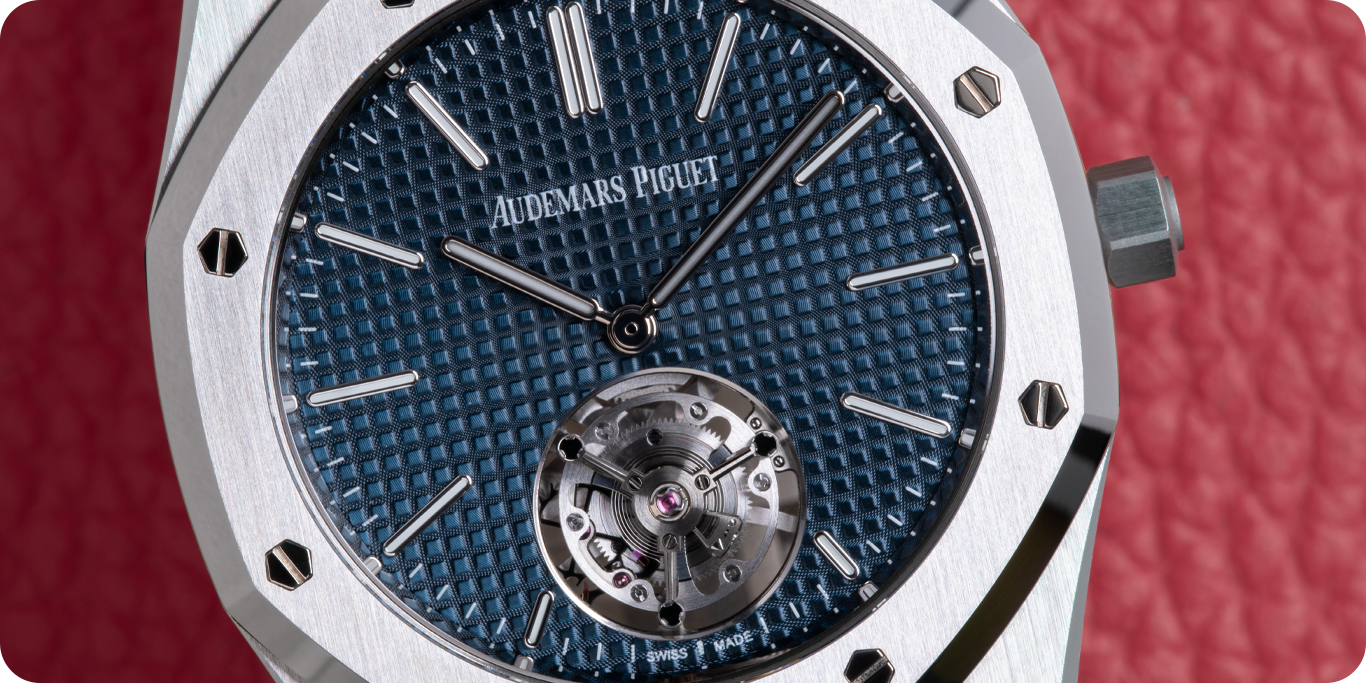
The hunt flatters you. It reframes shopping as study and listing-refreshes as market intelligence. Sometimes the flattery is earned. Knowledge does protect you from bad buys, and it sharpens the eye and makes ownership richer when it finally comes. It also manufactures fresh ways to be unhappy. Learning does not put an end to desire in watches. It subdivides it.
Rarity does its own work on the loop. A watch that read as merely attractive turns urgent the moment it gets discontinued, allocated to nobody, or quietly hoovered out of the market. When Patek announced it was winding down the steel 5711, a reference plenty of people had shrugged at became the only thing anyone could talk about, and the waitlist stopped being a waitlist and turned into a lottery. Scarcity hands desire a sense of consequence. If a thing is hard to get, wanting it feels more serious, better informed, and almost virtuous.
Sometimes that instinct is right. Some rare watches are rare because they are genuinely special: beautifully made, historically load-bearing, oddly configured, or built in tiny numbers before anyone was paying attention. But scarcity can also stand in for actually looking. You begin by asking whether the watch is good and end up asking whether it is the one to have. Those are not the same question.
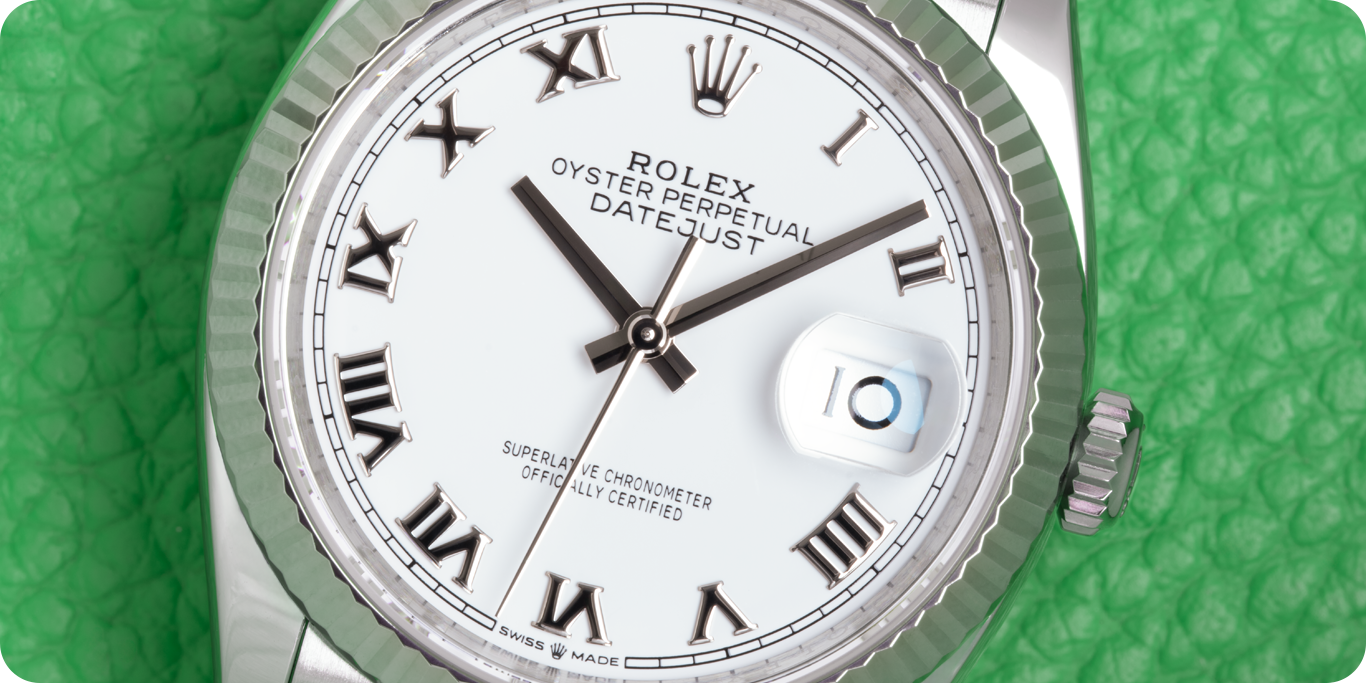
The watch world is unusually exposed to this because its distinctions are so granular. A tropical dial, a correct bracelet, a double-signed dial, a transitional serial, and a short production run: any one of them can become a reason to care more. Sometimes the detail points to real depth. Sometimes it just gives the wanting somewhere to hide.
Then there is the upgrade. Few words in collecting are more useful, or more suspect. The upgrade lets churn pass itself off as progress. Selling three watches to fund one becomes consolidating. Boredom becomes refining. The thrill wearing off becomes a considered move toward quality over quantity. The vocabulary does a lot of quiet labor here.
Often this is just how taste develops. Most of us have to own the almost-right watch to understand what the right one would even be. Your first serious sports watch teaches you that case thickness is not a spec sheet abstraction, it is the thing digging into your wrist bone all afternoon. Your first vintage piece teaches you that condition was never a footnote. And the first time you buy something in gold, you find out whether you actually like gold or just liked the idea of becoming the kind of person who wears it.
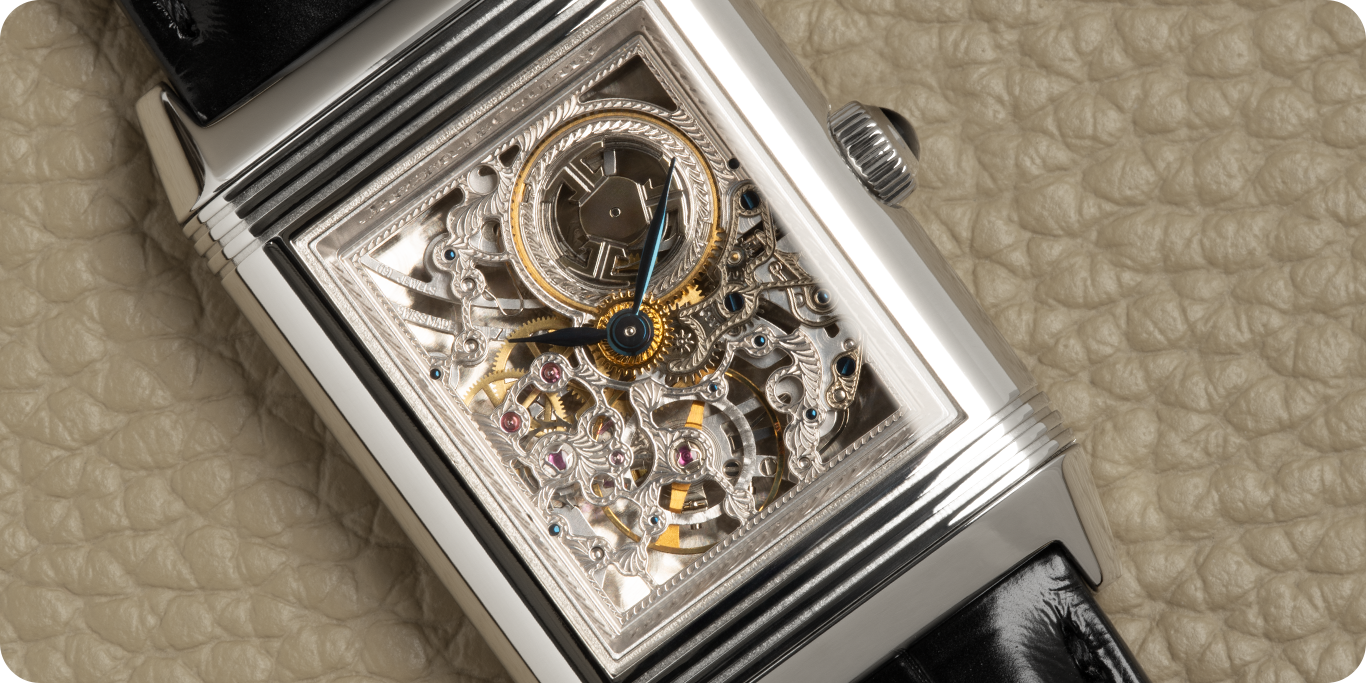
Still, the upgrade keeps moving the finish line. The accessible version points to the purer one, the purer one to the rarer dial, the rarer dial to the gold case, and the gold case, somehow, right back to the plain steel watch that felt natural in the first place. Plenty of upgrades are not improvements at all. Some of it is just restlessness with better manners.
Here is where watches get more psychologically loaded than most objects you can buy. You rarely want only the watch. You want what it seems to stand for.
A Submariner or Speedmaster can read as competence, utility, permanence, or the cleanest available version of success. A Tank suggests taste, restraint, and a quiet refusal to join the sports-watch arms race. A Royal Oak or a Nautilus can be about the design, or the status, or the access, or the slightly complicated pleasure of wearing something everyone in the room recognizes and nobody mentions. A small vintage gold dress watch can feel like anti-hype, which is of course its own kind of flex. And the obscure independent says I know something, even while its owner swears he bought it purely for the movement.
None of this makes you a hypocrite. It is part of why the things matter. A watch is intimate and public at once. It sits on your body, seen by some people and not most, and it tells time even though almost nobody buys one to tell time. It is equipment, jewelry, memory, money, taste, and performance compressed into something small enough to vanish under a cuff. You are always negotiating between the object and the person you become while wearing it.
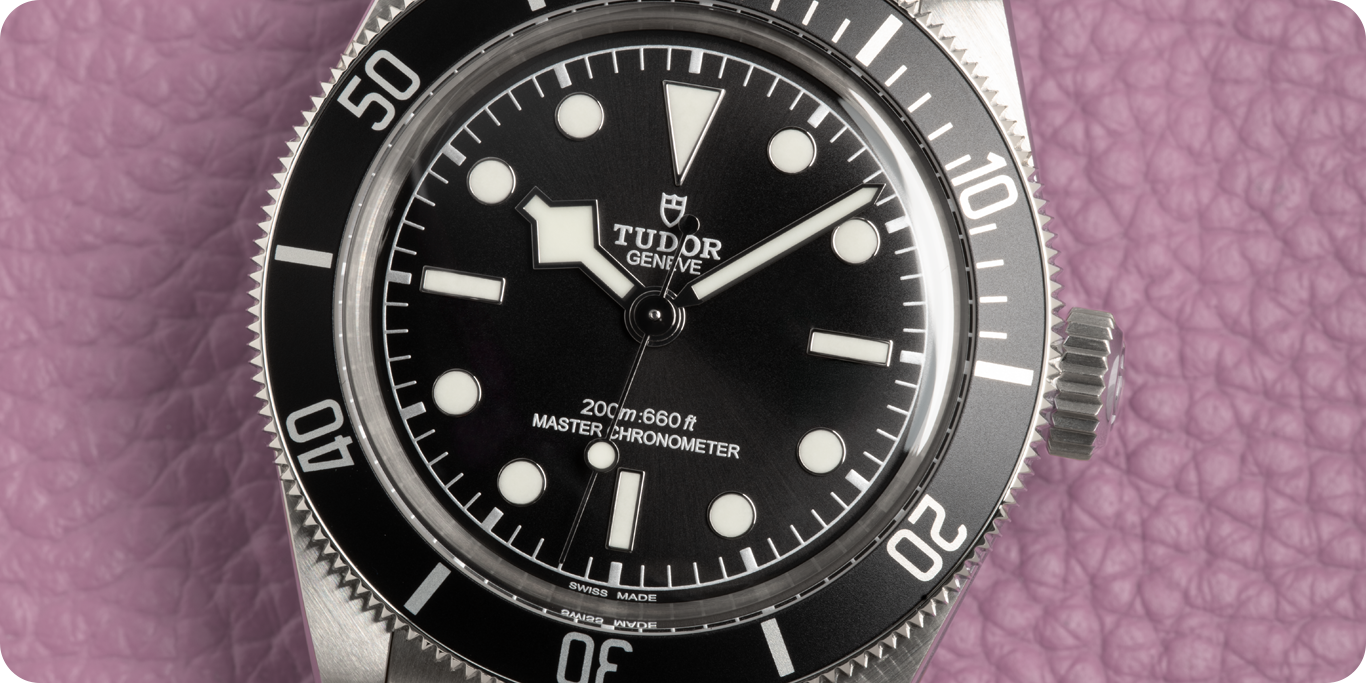
Trading keeps the loop spinning. Compared with most things people collect, watches are remarkably liquid. A purchase becomes parked capital. A mistake becomes a trade. A piece gets moved sideways, rolled up, or cashed in to fund the next thing. Knowing there is always an exit makes the entrance much easier.
Liquidity has a cost, though. If every watch can turn into another watch, no watch is ever fully safe. Ownership turns conditional. You love the piece and you are also appraising it: the box and papers, the scratches, the service history, and the resale that is always faintly in the room. Even the word keeper tends to sound less like a declaration and more like a dare.
Regret is usually where the truth leaks out. Most collectors have a ghost watch, the one sold too early or traded too lightly or let go in favor of something supposedly better. The regret is rarely logical. The watch you miss is often not the rarest or the most valuable thing you owned. It just belonged to a particular stretch of your life: the one you bought after the promotion, the one on your wrist for a trip you still think about, and the one that happened to be there through a bad year. It became a companion before you noticed that companionship was the thing you actually valued.
The watches we regret selling are usually the ones that had quietly stopped performing and started belonging.
That is the real keeper problem. The most important watch in a collection is often not the one that holds up best under scrutiny. It can be too small, too scratched, too cheap, too sentimental, too plain, or too bound up with a version of your taste you have since moved past. It stays because the usual logic stops applying to it. The market cannot fully price it, the collection cannot quite explain it, and you can no longer pretend it is interchangeable with anything.
I am not making a case against wanting more watches. The wanting is most of the fun, and almost nobody escapes the loop entirely. There is always another reference, another dial, another auction result, and another example that looks like it will finally clarify everything. The fantasy of the finished collection has power because it promises that taste can one day be settled and complete.
The goal was probably never to finish the collection. It is to work out which of your desires are just contagious and which ones are actually yours. Some watches you buy because they are rare, correct, undervalued, admired, or simply hard to get. A few stay because they have become part of your own record. They have stopped being arguments and turned into evidence. The real keeper is not always the watch that completes the collection. It is the one that makes completing it feel, for a while, beside the point.
Bezel is the top-rated marketplace for buying and selling luxury watches. We give you access to tens of thousands of the most collectible watches from the world’s top professional sellers and private collectors. Every watch sold goes through our industry-leading [in-house authentication process](https://getbezel.com/authentication), so you can buy, sell, and bid with confidence.
Bezel is available to download on the App Store now. Please reach out to our concierge team if there is anything we can help you with!

©2026 Bezel Inc.
All rights reserved.